

Are you contemplating dental implants to reclaim your smile and improve your oral health? While dental tourism may seem like a cost-effective option, especially in destinations like Bali, dental implant treatments are surgical procedures that come with potential risks if compromised for potential savings. Australia offers a compelling alternative for dental implants, providing a safe, high-quality treatment experience with long-lasting results.
This guide explores the key considerations when comparing dental implants in Indonesia and Australia, empowering you to make an educated decision about your dental health investment.
The Science Behind A Smile: How Dental Implants Work
Dental implants are a long-lasting solution for those who want to replace missing teeth. They are small, screw-like posts made of titanium surgically placed into the jawbone. Over time, the jawbone fuses with the implant, creating a robust foundation for a dental crown (an artificial tooth).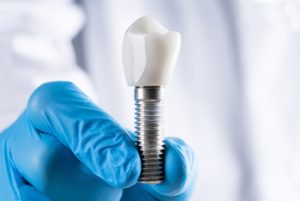
Dental implants offer numerous benefits over traditional bridges or dentures, including:
- Improved appearance and self-esteem
- Enhanced chewing ability and speech
- Improved oral health by stopping bone loss in the jaw
- Long-lasting durability
The Importance Of Regulation In Dental Implant Procedure
Dental implant surgery is a surgical or invasive procedure that carries risks. The Australian Health Practitioner Regulation Agency (AHPRA) sets strict regulations for dental practitioners in Australia. However, working within AHPRA is the Dental Board of Australia (the Board), which specifically focuses on ensuring the quality and safety of dental services provided in Australia.
The Board sets competency standards for dental practitioners performing dental surgeries. These standards ensure dentists possess the necessary qualifications and experience and adhere to high safety standards.
Australian dentists undergo rigorous training in dental implantology, including surgical techniques, implant materials, and potential complications. This training ensures they can provide patients with the highest possible quality care and minimise the risk of complications.
The Potential Risks Of Dental Tourism: Why Dental Professionals Recommend Caution
The allure of seemingly affordable dental implants in destinations like Bali can be tempting. However, dental professionals strongly advise against dental tourism due to several significant risks that can outweigh any perceived cost savings.
Here’s a breakdown of the key concerns associated with dental tourism:
Uneven Standards Of Care
Regulatory frameworks and safety protocols for dental practices can vary considerably between countries. In Australia, strict regulations ensure dental clinics adhere to rigorous hygiene and sterilisation standards to minimise the risk of infections and complications.
Dental tourism destinations do not have the same level of oversight, potentially increasing the risk of contracting diseases or experiencing adverse reactions to materials used during implant surgery.
Communication Challenges
Effective communication is crucial throughout the dental implant process. Language barriers in countries popular for dental tourism can lead to misunderstandings regarding the treatment plan, potential risks and benefits, and proper aftercare instructions. This lack of clear communication can compromise the success of the treatment and increase the risk of complications.
Limited Follow-Up Care
Dental implant treatment is a multi-stage process, often requiring multiple appointments over several months. Following implant surgery abroad, obtaining proper follow-up care from a qualified dentist back home can be challenging. This lack of continuity can hinder the healing process, potentially leading to complications or compromising the longevity of the implants.
Difficulties With Legal Recourse
Should complications arise after treatment is received during dental tourism, seeking legal recourse against the overseas dental clinic can be complex and expensive? International legal processes can be lengthy and costly, leaving patients with limited options if they experience issues with their dental implants.
Hidden Fees And Unforeseen Costs
The initial price quoted for dental implants abroad may seem attractive. However, beware of hidden fees that can significantly inflate the overall cost. These may include additional charges for materials, medications, or unforeseen complications that arise during surgery. The lack of transparency surrounding costs in dental tourism can lead to financial surprises and leave patients with a higher bill than anticipated.
Repeat Procedures
Poor-quality implants or complications arising from treatment abroad may necessitate repeat procedures with a qualified Australian dentist to rectify the problem. These corrective procedures can be complex and expensive, significantly increasing the overall cost compared to receiving treatment in Australia from the outset.
Considerations For Treatment: Potential Outcomes Of Dental Implant Surgery
 It’s important to recognise that there are risks that patients may face when they undergo dental implants. While not prevalent with qualified dental professionals, potential complications associated with dental implant surgery include:
- Infection
- Bleeding
- Nerve damage
- Implant failure
- Sinus problems (in upper jaw implants)
These risks can be significantly minimised when this dental treatment is provided by a highly qualified and experienced dental professional who employs high-quality materials and sticks to strict hygiene protocols.
How Australia Empowers You To Invest Wisely In Your Smile With Dental Implants
While the initial dental implant cost in Bali may seem enticing, the potential risks and hidden fees associated with dental tourism can overshadow any perceived savings.
Australia offers a supportive environment for achieving a healthy, confident smile with dental implants, ultimately helping you invest wisely in your oral health.
- Private Dental Insurance: Many Australians have private dental insurance offering partial dental implant coverage. While the specific coverage may change depending on your policy, it can help offset some of the treatment costs.
- Flexible Payment Options: Many dental clinics in Australia understand the financial considerations associated with dental implants. To help manage the cost of treatment, they offer flexible payment options, which may include upfront discounts, extended payment plans, or even interest-free instalments.
- Transparency And Predictable Costs: Unlike dental tourism, where hidden fees and unforeseen costs can arise, treatment with an Australian dentist provides clear and upfront pricing. This allows for better budgeting and avoids financial surprises down the track.
What To Expect: A Step-By-Step Journey Towards A Renewed Smile With Dental Implants In Australia
The dental implant process in Australia is a collaborative journey between you and your dentist, ensuring a smooth and successful experience. Here’s a breakdown of the typical stages involved:
Initial Consultation: Building Trust And Understanding Your Needs
The first step is a comprehensive initial consultation with your chosen dentist. This initial visit is crucial for establishing a trusting relationship and setting the foundation for successful implant treatment. During this consultation, your dentist will:
- Review Your Medical History: A detailed discussion of your medical history allows the dentist to assess your overall health and suitability for dental implant surgery. This includes any pre-existing medical conditions, medications you are taking, and any past dental procedures.
- Evaluate Your Oral Health: A thorough oral examination will be conducted to assess your jawbone health, gum health, and the number of damaged or missing teeth that require replacement. X-rays and potentially CT scans may be taken to provide a detailed picture of your jawbone structure and remaining teeth.
- Discuss Treatment Options: Your dentist will discuss various dental implant treatment options based on your individual needs and preferences. This may include the type of implants recommended, the number of implants needed, and whether any additional procedures like bone grafting are necessary.
- Address Your Concerns: This initial consultation provides an excellent opportunity to ask your dental expert any questions you may have about dental implant surgery, the recovery process, and aftercare instructions. Open communication is key to ensuring you feel comfortable and informed throughout your dental implant journey.
Treatment Planning: Charting Your Course To A Renewed Smile
Following the initial consultation, your dentist will develop a personalised implant treatment plan specifically tailored to your unique situation. This plan will typically include:
- Number And Location Of Implants: The dentist will determine the optimal number and precise location for the needed dental implants to ensure optimal functionality and aesthetics for your new teeth.
- Implant Type: Various types of dental implants are available, each with its advantages. Your dentist will discuss the most suitable type of implant based on your specific needs and jawbone anatomy.
- Need For Bone Grafting: If your jawbone has insufficient bone density to support the implants, bone grafting treatment may be recommended prior to implant placement. This procedure helps build up your jawbone to create a strong implant foundation.
- Cost Estimates: Your dentist will provide you with a detailed cost estimate outlining the expected fees for each stage of the treatment plan. This sheer transparency allows you to make informed financial decisions regarding your dental implant treatment.
Dental Implant Surgery: Precision And Expertise For Lasting Results
The dental implant surgery itself is typically performed under local anaesthesia or light sedation, ensuring your comfort throughout the procedure. Here’s a digestible breakdown of the key steps involved:
- Surgical Site Preparation: The dentist will carefully prepare the surgical site by making precise incisions in the gum tissue.
- Implant Placement: Using advanced surgical techniques, the dental expert will precisely place the dental implants into the jawbone according to the predetermined plan.
- Finalisation And Recovery Instructions: Following implant placement, the dentist will close the surgical site and provide detailed instructions on post-surgical care and proper healing practices.
Healing Period: Allowing For Osseointegration
Following implant surgery, a healing period of several months is crucial. During this time, the jawbone undergoes a process called osseointegration, where the bone fuses with the dental implants, creating a strong and stable foundation for your new teeth. The overall duration of the healing phase can change based on individual factors such as bone density and the complexity of the surgery.
Abutment Placement: Connecting The Implants To Your New Smile
Once the osseointegration process is complete, a minor procedure is performed to place abutments on the implants. These abutments act as connectors between the dental implants and the final dental crowns.
Crown Placement: Unveiling Your New Smile
The last stage involves placing the custom-made dental crowns onto the abutments. These crowns are precisely crafted to resemble the exact size, shape, and colour of your real teeth, ensuring you can flaunt a natural and aesthetically pleasing appearance.
How To Ensure You’ve Chosen A Qualified Dentist For Your Dental Implants
Choosing a qualified and experienced dental expert is the cornerstone of successful dental implant treatment. Australia’s robust regulatory framework ensures access to highly skilled and experienced dental professionals.
Here are some key steps to empower you to select the right dentist for your dental implant journey:
- Check Registration: Verify that the dental expert is regulated by the Australian Health Practitioner Regulation Agency (AHPRA) and holds a current qualification in dentistry.
- Experience in Implant Dentistry: Seek a dentist with experience and expertise in placing dental implants. Look for dentists who have extensive training in dental implants.
- Online Reviews And Recommendations: Read online reviews and ask friends or family for recommendations on dentists with a good reputation for dental implant treatment.
- Technology And Equipment: Enquire about the dentist’s technology and equipment for implant surgery. Modern dental practices use advanced technology, such as digital X-rays and cone beam CT scans, for precise implant placement.
- Communication And Consultation: Choose a dentist who takes the time to discuss your treatment options thoroughly, answer all your enquiries, and address any concerns you may have.
Frequently Asked Questions
Are dental implants an ideal option for everyone?
Dental implants are not suitable for everyone. Factors such as jawbone health, overall health, and gum disease can influence suitability. A consultation with a qualified dentist will determine if you make a good fit for dental implants.
How long does dental implant treatment take?
The entire dental implant operation, from the initial consultation session to the final crown placement, can take several months. The healing period between implant placement and crown placement is a major factor in the overall timeframe.
How much do dental implants cost in Australia?
The total cost of dental implants in Australia can change depending on the complexity of the case, the number of implants needed, and the dentist’s location. However, many dental clinics offer flexible payment plans to help manage the cost.
Can I get dental insurance to cover dental implants?
Some private health insurance plans in Australia offer partial coverage for dental implants. It’s important to check the specifics of your individual policy to determine coverage details.
What happens if I experience complications after dental implant surgery?
Qualified dentists in Australia are trained to minimise the risk of complications. However, if complications do arise, they are well-equipped to manage them. Choosing a dentist who offers ongoing care and follow-up appointments is important to monitor your progress and address any potential issues.
Embrace The Possibilities: Taking The Next Step Towards Dental Implants In Australia
 Dental implants can be life-changing for your oral health and overall well-being. While dental tourism in Bali may seem like a cost-effective option, the potential risks associated with lower quality standards and a lack of proper follow-up care can outweigh any perceived savings.
Choosing a qualified and experienced dentist in Australia ensures you receive the highest quality treatment, minimises the risk of complications, and provides peace of mind throughout the entire dental implant process.
Contact Cross Road Dental in South Plympton, SA 5038, at (08) 8004 5137 to restore your smile with affordable, high-grade dental implants.
Note: Any surgical or invasive procedure carries risks. Before proceeding, you should seek a second opinion from an appropriately qualified health practitioner.
Sources:
“5 Reasons Why Dental Implants Are so Popular.” University of Illinois Chicago, 1 Sept. 2017, dentistry.uic.edu/news-stories/5-reasons-why-dental-implants-are-so-popular.
Bissett, Gaby. “Dental Tourism: 90% Clinicians See Patients Who Travel for Dentist.” Dentistry, 14 July 2022, dentistry.co.uk/2022/07/14/dental-tourism-nine-in-10-dentists-have-treated-patients-who-travelled-abroad-for-treatment.
Cha, Hyun-Suk, et al. “Frequency of Bone Graft in Implant Surgery.” Maxillofacial Plastic and Reconstructive Surgery, vol. 38, no. 1, Mar. 2016, https://doi.org/10.1186/s40902-016-0064-2.
“Dental Implant Surgery.” Mayo Clinic, 29 Jan. 2019, www.mayoclinic.org/tests-procedures/dental-implant-surgery/about/pac-20384622.
Dental Tribune International. “Risks of Dental Tourism Highlighted by ADA.” Dental Tribune International, 22 Nov. 2017, www.dental-tribune.com/news/risks-of-dental-tourism-highlighted-by-ada.
“Finding a Dentist.” WebMD, 20 Mar. 2023, www.webmd.com/oral-health/finding-dentist.
Gupta, Ranjan, et al. “Dental Implants.” The National Center for Biotechnology Information (NCBI), 8 Aug. 2023, www.ncbi.nlm.nih.gov/books/NBK470448.
Health Insurance for Young Aussies | Apply Online | Bupa. www.bupa.com.au/health-insurance/extras-cover/dental-insurance.
Lamb, Sandra. “When Dental Implants Go Wrong.” AARP, 13 Nov. 2020, www.aarp.org/health/conditions-treatments/info-2020/dental-implants-danger.html.
“Policies, Codes, Guidelines and FAQ.” Dental Board AHPRA, www.dentalboard.gov.au/Codes-Guidelines.aspx.