

When considering options for replacing missing teeth, many people ponder whether opting for a cheap dental implant is wise. While saving money is tempting, understanding the full scope of a dental implant, including dental implant surgery and the dental implant cost, is crucial.
In this blog, we’ll explore the intricacies of dental implants, discuss the benefits and risks of choosing a less expensive option, and help you determine if it’s worth going down the cheap route for your dental health.
What Are Dental Implants and Why Are They Important?
Tooth implants have transformed modern dentistry by offering a reliable and lifetime solution for replacing missing teeth. A dental implant functions as a synthetic root for the tooth, providing a stable foundation. It is often made from titanium and surgically placed into the jaw bone. This titanium screw forms a stable foundation for the attachment of an artificial tooth, known as a crown that closely mimics the appearance and function of natural teeth.
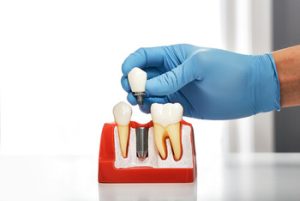 A critical aspect of dental implants is the process of osseointegration, a process in which the titanium implant bonds with the jaw bone. This fusion is critical for the implant’s stability and durability, allowing it to function like a natural tooth root.
But why choose dental implants over other forms of tooth replacement? Dental implants are distinguished for their natural appearance, functionality, and ability to maintain the integrity of the surrounding teeth and jaw bones. Unlike dentures, which can slip and require adhesive, or bridges, which may affect adjacent teeth, dental implants are anchored securely in the jaw. This makes them aesthetically appealing and a robust solution for long-term dental health.
The Allure of Cheap Dental Implants: What’s the Real Cost?
When considering dental implants, one of the major factors that patients often consider is the cost of the implants. It’s no secret that dental implant procedures can be expensive. In Australia, a single dental implant starts at around 3,000 AUD. So, it’s understandable why the prospect of cheap dental implants might tempt many. However, it’s important to recognise that the true cost of dental implants isn’t just measured in dollars but also in quality, safety, and the longevity of the results.
Cheap Dental Implants: A Risky Bargain?
While there are affordable options for dental implants, a significantly lower price may often indicate compromises in quality. Cheaper implants might be made from lower-grade materials, have less stringent manufacturing standards, or be performed by less experienced dental professionals. These factors result in an increased risk of complications, such as implant failure or infections, which could lead to further dental implant surgery or the need for additional preparatory procedures like bone grafting or sinus lifts. Dental implant procedures are surgical or invasive and carry risks, regardless of the price.
The Risks of Getting a Cheap Dental Implant: What You Need to Know
Opting for a cheap dental implant treatment might seem like a great way to save money, but it can come with significant risks that could compromise your oral health and lead to even more expenses. Let’s explore the potential dangers of cheap dental implants, particularly lower-quality materials, inexperienced practitioners, and inadequate aftercare.
Compromised Implant Materials: The Hidden Danger
One primary reason some dental implants are cheaper than others is the materials used. High-quality dental implants are typically made from medical-grade titanium or titanium alloys, known for their strength, biocompatibility, and durability. These materials are rigorously tested to ensure they integrate well with the jaw bone, reducing the risk of complications and ensuring a long-lasting implant.
The Risks of Low-Quality Materials
Cheap dental implants, on the other hand, may be made from inferior materials that are not held to the same standards. These lower-quality materials might not bond as effectively with the jaw bone, increasing the risk of implant failure. Additionally, they can be more prone to corrosion and wear over time, potentially leading to implant fractures or the need for premature replacement. In some cases, the materials used in cheap dental implants might not be entirely biocompatible, which can cause adverse reactions or infections in the mouth.
Increased Risk of Implant Failure
The success of a dental implant mainly relies on its ability to integrate or bond effectively with the jaw bone through osseointegration. This process is important for the stability and longevity of the implant. When cheap materials are used, the implant may fail to properly integrate with the bone, leading to instability or even complete implant failure. An unstable implant can loosen over time, causing discomfort, affecting adjacent teeth, and ultimately requiring removal and replacement.
Complications Associated with Implant Failure
 Implant failure is costly and can have severe implications for oral health. Removing a failed implant often requires additional procedures, such as bone grafting, to repair the damage done to the jaw bone. This can significantly extend the healing process and increase the overall cost of treatment, negating any initial savings from opting for a cheaper implant.
Risk of Infection and Poor Healing
Another significant risk associated with cheap dental implants is the increased likelihood of infection. Inferior materials and inadequate sterilisation processes can introduce harmful bacteria into the surgical site, leading to infections. Infections around the implant site, known as peri-implantitis, can cause inflammation, pain, bone loss, and even implant failure if not promptly addressed.
Impact on the Healing Process
Cheap dental implants can also negatively affect the healing process. If the implant does not integrate properly or an infection develops, the healing process can be significantly delayed, resulting in discomfort and prolonged treatment. In some cases, the infection spreads to other parts of the mouth, compromising oral health and necessitating further dental intervention.
Inadequate Skill and Experience of the Practitioner
The quality of your dental implant is determined by the materials used and the skill and experience of the dentist performing the procedure. Practitioners experienced in implantology are more likely to perform successful implant procedures. Cheap dental implants are often associated with less experienced practitioners who may lack the expertise to perform implant surgery successfully.
The Risks of Poor Implant Placement
Improper implant placement can lead to many complications, including damage to surrounding teeth, nerves, or blood vessels. Misaligned implants can also affect the aesthetic outcome, causing an unnatural appearance or bite problems. Inadequately placed implants may not align properly with the natural tooth structure, leading to discomfort, difficulty chewing, and increased wear on adjacent teeth.
Lack of Proper Aftercare and Follow-Up
Aftercare is critical to the dental implant process, ensuring that the implant heals correctly and integrates with the jaw bone. Proper aftercare is essential to monitor ‘osseointegration’ and ensure the implant integrates well with the jaw bone. Cheap dental implant procedures may not include comprehensive aftercare or follow-up appointments, increasing the risk of complications going unnoticed or untreated.
Consequences of Inadequate Aftercare
Without proper aftercare, issues such as implant loosening, infections, or bone loss may not be detected in time, leading to more severe problems later. Regular follow-ups with your dentist are mandatory to observe the health of the implant and surrounding tissues and ensure any potential issues are addressed promptly.
Finding the Balance: Affordable Dental Implants Without Compromise
So, does this mean that only expensive dental implants are worth considering? Not necessarily. There are methods to make dental implants more affordable without sacrificing quality. For instance, seeking treatment at a reputable dental clinic that offers payment plans or utilising dental insurance can help manage the overall cost. For those in the region, dental implants in Adelaide provide a natural appearance and comfort, making them an excellent option for individuals with damaged or missing teeth.
The Long-Term Benefits of Quality Dental Implants
Investing in quality dental implants offers numerous benefits beyond the initial cost. High-quality dental implants restore not only the function of your teeth but also your confidence and overall quality of life. They help maintain the health of the surrounding teeth, prevent bone loss, and provide a long-lasting solution for missing teeth. Osseointegration is essential for the stability and longevity of dental implants, ensuring they can last a lifetime when done correctly, making them a cost-effective choice in the long run.
Improved Oral Health and Aesthetic Appeal
Besides their durability, dental implants also enhance oral health. By replacing missing teeth, implants help lower the chances of additional tooth loss and other oral health problems. Their natural, tooth-like appearance improves the aesthetic of your smile, offering an instant boost to your self-confidence.
Fewer Complications and a Higher Success Rate
High-quality dental implants are associated with fewer complications and a higher success rate. By opting for a reputable dental professional and quality materials, you minimise the risks associated with implant procedures, such as infections, implant failure, or damage to the neighbouring teeth and jaw bone. This means less time spent in the dental chair and fewer out-of-pocket expenses over the long term.
What Really Happens During a Dental Implant Procedure?
Restoring missing teeth with dental implants involves carefully planned steps, each essential for achieving a successful outcome. Here’s a brief overview of the main steps in the dental implant procedure, explaining why it’s widely regarded as the top choice for tooth replacement.
Initial Consultation and Assessment
The process starts with an initial consultation with a dental professional. During this visit, your dentist will thoroughly assess your oral health, thoroughly examine your teeth and gums, and take X-rays to evaluate your jaw bone. These assessments are crucial for determining whether you have sufficient healthy bone to support an implant or if additional procedures, such as bone grafting or sinus lifts, might be necessary.
Pre-Procedure Preparations
If any dental issues, such as gum disease or the need for tooth extraction, are identified during the assessment, they must be addressed before the implant procedure. Resolving these issues is crucial to creating a stable foundation for the implant.
Surgical Placement of the Implant
Once you’re ready for the procedure, the next step is surgically placing the dental implant. This is done under local anaesthesia or intravenous sedation. A small incision is made in the gum to access the bone, and a drill is used to create space in the jaw bone for the titanium screw, which acts as the artificial tooth root. The screw is then inserted into the bone, and the gum is stitched closed over it.
The Healing Process and Osseointegration
After the implant is placed, a healing period of three to six months follows. During this time, the jaw bone grows around and fuses with the implant in a process called osseointegration, providing a stable base for the replacement tooth. Following your dentist’s aftercare instructions during this period is essential to ensure proper healing and minimise complications.
Abutment Placement and Final Restoration
After osseointegration is complete, a minor surgical procedure is done to attach an abutment to the implant. The abutment works as a link between the implant and the replacement tooth or crown. Once the gum has healed around the abutment, impressions of your mouth are taken to create a customised crown that matches the shape, size, and colour of your natural teeth.
The final step is placing the crown onto the abutment and completing the dental implant procedure. The end result is a replacement tooth that looks, feels, and functions just like a natural tooth.
Wrapping It Up: How to Make a Smart Choice About Affordable Dental Implants
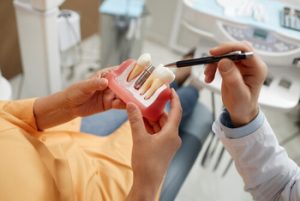 When considering dental implants, it’s important to weigh the immediate savings of cheap dental implants against the potential long-term costs and risks. While it may be tempting to choose a lower-dental implants cost option, the potential for complications, additional procedures, and dissatisfaction with the aesthetic outcome should not be overlooked. Instead, focus on finding a balance between affordability and quality, ensuring that your dental health and overall well-being are prioritised. Dental insurance can assist in covering the expenses of high-quality dental implants, making it easier to afford the most satisfactory care.
By investing in a reputable dental clinic and an experienced dental professional at our Plympton-based dental clinic, you can enjoy the benefits of dental implants that not only look and feel like natural teeth but also support your long-term oral health. After all, a healthy smile is priceless, and when it comes to dental implants, quality truly matters.
For more information or to schedule a consultation, please contact Cross Road Dental at (08) 8004 5137. We’re here to help with all your dental needs!
Note: Any surgical or invasive procedure carries risks. Before proceeding, you should seek a second opinion from an appropriately qualified health practitioner.
References:
Colgate. (n.d.). Signs of a failed dental implant. https://www.colgate.com/en-us/oral-health/implants/signs-of-a-failed-dental-implant
Buser, D., Sennerby, L., & De Bruyn, H. (2017). Modern implant dentistry based on osseointegration: 50 years of progress, current trends and open questions. Periodontology 2000, 73(1), 7-21. https://pubmed.ncbi.nlm.nih.gov/30178553/
Mayo Clinic. (n.d.). Dental implant surgery. https://www.mayoclinic.org/tests-procedures/dental-implant-surgery/about/pac-20384622
American Academy of Periodontology. (n.d.). Peri-implant diseases. https://www.perio.org/for-patients/periodontal-treatments-and-procedures/dental-implant-procedures/peri-implant-diseases/#:~:text=In%20peri%2Dimplantitis%2C%20gum%20inflammation,implantitis%20usually%20requires%20surgical%20treatment.
ScienceDirect. (n.d.). Lower jaw. https://www.sciencedirect.com/topics/medicine-and-dentistry/lower-jaw