

Many people ask, do dental fillings hurt?, especially if it has been a while since their last visit. It is a common concern, and it often comes from uncertainty about what happens during the dental filling procedure.
Dental fillings are used to manage tooth decay and help protect the affected tooth from further damage. When addressed early, the process is usually straightforward and helps maintain oral health.
This guide explains what you may feel during and after getting a dental filling, and what most patients can expect in simple terms.
Why Dental Fillings Are Needed
Dental fillings are used to restore parts of a tooth that have been affected by decay. If tooth decay is not treated, it can gradually spread deeper into the tooth structure.
What Happens When Decay Is Left Untreated
If decay continues, it may:
- Weaken the tooth
- Lead to further damage.
- Increase the risk of tooth loss.
- Require more complex care, such as root canal therapy.
Addressing cavities early helps reduce the need for additional treatment and keeps your smile healthy.
Do Dental Fillings Hurt During The Procedure
Short answer: Most patients do not experience intense discomfort during the filling procedure.
How Pain Is Managed
Before the dentist begins, a local anaesthetic is used to numb the area around the affected tooth. This helps prevent pain signals from being felt during the procedure.
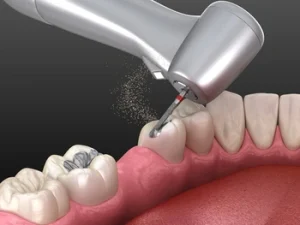
After the area is fully numb, the dentist carefully removes the decayed portion of the tooth. You may notice pressure or movement, but you should not feel intense discomfort.
What You May Notice In The Dental Chair
While in the dental chair, you might experience:
- Vibration from dental tools
- A feeling of pressure
- Sounds during the procedure
These sensations are normal.
What Happens During A Dental Filling Procedure
Knowing what happens at each step can make the experience easier to follow.
 Step-by-Step Overview
During the dental filling procedure:
- The dentist clears away the decayed part of the tooth.
- The space is cleaned to remove bacteria.
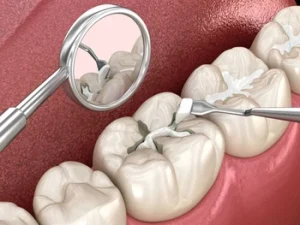
- A dental material is placed into the area.
- The filling is adjusted to fit comfortably with your bite.
A common option is composite resin, which is designed to blend with natural teeth.
Does The Tooth Feel Sensitive After A Filling
After getting a dental filling, it is normal for the filled tooth to feel slightly different.
Temporary Tooth Sensitivity
Some people notice sensitivity to:
- Hot or cold foods
- Sweet foods
- Pressure when chewing
This sensitivity is usually mild and part of the healing process.
How Long Does It Last?
In most cases, slight discomfort settles within a few days. The tooth adjusts to the filling, and normal function returns.
When Discomfort May Feel Different
Although most patients recover quickly, there are times when symptoms may feel more noticeable.
Signs To Pay Attention To
You may want to check in with your dentist if you notice:
- Ongoing pain that does not improve
- Intense pain when biting
- Sensitivity that continues over time
- A bite that feels uneven
These may relate to bite issues or deeper irritation within the tooth.
Why Some Fillings Feel More Noticeable
Not all fillings feel the same, and several factors can influence how you experience the procedure.
Depth Of The Filling
Deep fillings are closer to the inner part of the tooth. Because of this, sensitive teeth may respond more after treatment.
Condition Of The Tooth
If the tooth was already inflamed, you may be more aware of sensations during recovery.
Individual Sensitivity
Everyone responds differently. Some people feel very little, while others may notice more sensitivity.
What If Pain Persists After A Filling
 Persistent symptoms are less common but still worth checking.
When To Seek Advice
If pain persists beyond the expected healing period, it may indicate:
- The filling needs adjustment.
- The tooth is reacting to the dental material.
- The decay was deeper than expected.
In some situations, further treatment such as a root canal may be considered if the inner part of the tooth has been affected.
Can You Avoid Intense Pain When Getting A Filling
While some sensations are expected, there are ways to reduce discomfort.
Practical Tips
- Attend regular check-ups to support early detection.
- Follow the instructions given after treatment.
- Maintain good oral hygiene habits.
Addressing cavities early often leads to a simpler procedure with less discomfort.
What To Eat After Getting A Dental Filling
Food choices can affect how the tooth feels after treatment.
Foods To Be Careful With
It may help to:
- Avoid extremely hot foods for a short period.
- Be cautious with hard or sticky foods.
- Limit cold foods if sensitivity is present.
These small steps can help reduce discomfort while the tooth settles.
Can Fillings Cause Other Issues
Complications after dental fillings are uncommon, but they can happen in rare cases. While most patients recover with only mild discomfort, some may notice symptoms that feel different from the usual healing process after a dental filling procedure.
In some situations, the affected tooth may react to the dental material used. Although uncommon, an allergic reaction to certain filling materials, including options like composite resin, can occur. This may lead to irritation that feels unusual compared to normal tooth sensitivity, and it may not always appear immediately after getting a dental filling.
Ongoing symptoms can also relate to the condition of the tooth before treatment. If the cavity was deep or close to the inner part of the tooth, the nerve may remain more sensitive during the healing process. This can result in ongoing pain or discomfort that feels different from the expected slight discomfort most patients notice. In some cases, this may be linked to deeper irritation that could require additional treatment, such as a root canal, if symptoms do not improve over time.
Another factor that may affect how a filled tooth feels is how it fits with the surrounding teeth. Even a small change in the bite can create uneven pressure when chewing. This may lead to bite issues, where the bite feels slightly off or uncomfortable. Over time, this pressure can contribute to discomfort, especially when eating hard or sticky foods or applying force to the area.
Some people may also notice stronger reactions to hot or cold foods or drinks, particularly if they already have sensitive teeth. These responses are often part of how the tooth adjusts, but they can feel more noticeable in certain cases.
While these situations are not common, they can affect how a dental filling experience is perceived after the procedure. If symptoms such as intense pain, persistent sensitivity, or discomfort do not gradually settle, it is important to seek professional advice. A dentist can assess whether the tooth is healing as expected or if adjustments are needed to help reduce discomfort and support long-term oral health.
How Dental Fillings Change Over Time
Dental fillings are designed to restore and protect a tooth, but they are not permanent. Over time, it is normal for a filling to experience gradual changes as it is exposed to daily use.
How Fillings Change With Everyday Use
Each time you chew, your teeth are placed under pressure. This repeated force can slowly affect the surface of a filling. Over months and years, the material may wear down slightly, especially in areas that handle more pressure during biting.
Temperature changes can also play a role. Eating and drinking hot or cold foods causes the tooth and the filling to expand and contract at different rates. This natural movement can affect how the filling sits within the tooth over time.
Changes In Fit And Surface
As a filling wears, its surface may become smoother or slightly uneven. In some cases, the edges where the filling meets the natural tooth may change. This does not always cause immediate discomfort, but it can alter how the tooth feels when chewing.
You might notice that the tooth feels slightly different compared to when the filling was first placed. These changes are often subtle and develop gradually rather than all at once.
Why Regular Review Matters
Because these changes happen slowly, they are not always easy to notice day to day. Regular dental check-ups help monitor the condition of the filling and the surrounding tooth structure.
During a review, a dentist can check whether the filling is still fitting well and whether the tooth is continuing to function normally. This helps identify small changes before they become more noticeable.
When A Filling May Need Attention
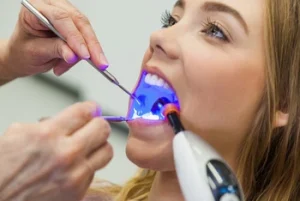 A filling may need to be reviewed if it no longer supports the tooth as intended. This does not always mean there is a problem, but it may indicate that the filling has changed enough to require adjustment or replacement.
Paying attention to how the tooth feels over time can help you notice gradual differences. If the tooth begins to feel more noticeable or behaves differently during normal use, it may be worth having it checked.
Understanding that fillings can change over time helps set realistic expectations. With regular care and monitoring, they can continue to support the tooth effectively for many years.
How To Keep Your Fillings In Good Condition
Long-term care helps protect both the filling and the tooth.
Daily Care Habits
Maintaining good oral hygiene includes:
- Brushing regularly
- Cleaning between teeth
- Attending routine dental visits
These habits support oral health and help prevent further decay.
Final Thoughts On Dental Fillings
So, do dental fillings hurt? In most cases, discomfort is minimal during the procedure.
With a local anaesthetic and careful technique, the procedure is generally carried out in a way that keeps you comfortable. You may notice slight discomfort afterwards, but this is usually temporary.
Dental fillings play an important role in protecting your teeth and preventing further damage. Understanding what to expect can make the experience feel more manageable and help you approach treatment with confidence.
If you are concerned about tooth sensitivity or would like support with managing discomfort after a filling, you can book a consultation with us at Cross Road Dental or call (08) 8004 5137 to discuss your situation and appropriate care options.
Resources
“Cleveland Clinic (2024). ‘Tooth Loss’. Cleveland Clinic, 20 August. Cleveland, OH: Cleveland Clinic. https://my.clevelandclinic.org/health/diseases/tooth-loss”
“Daniel, A. K. (2024). ‘Sensitive Teeth: Why They Hurt and How to Stop the Pain’. Johns Hopkins Medicine, 28 February. Baltimore, MD: Johns Hopkins Medicine. https://www.hopkinsmedicine.org/health/conditions-and-diseases/sensitive-teeth”
“Mayo Clinic Staff (2023). ‘Cavities and Tooth Decay’. Mayo Clinic, 30 November. Rochester, MN: Mayo Clinic. https://www.mayoclinic.org/diseases-conditions/cavities/symptoms-causes/syc-20352892”
“Colgate (2023). ‘What Is Good Oral Hygiene?’. Colgate, 9 January. New York, NY: Colgate-Palmolive Company. https://www.colgate.com/en-us/oral-health/adult-oral-care/what-is-good-oral-hygiene”