

Root canal therapy ranks among the most frequently performed dental treatments, and it’s used to save a severely decayed or infected tooth. Although many people feel nervous about getting a root canal, modern dentistry has made the process more comfortable and efficient than ever. However, many patients still ask: What’s the typical recovery time after a root canal?
The answer depends on several factors, including the severity of the infection, your general dental health, and the extent to which you follow your dentist’s post-treatment guidance. In this guide, we’ll explore the entire healing process, what to expect during recovery, and how to ensure optimal healing and comfort following your root canal procedure.
What Is a Root Canal?
Before diving into the recovery timeline, it’s important to understand what a root canal is. A root canal, also known as endodontic therapy, involves removing damaged or infected tissue (referred to as the tooth pulp) from deep within the tooth root. This pulp contains nerves, blood vessels, and connective soft tissue, all of which can become inflamed due to deep decay, trauma, or repeated dental procedures.
Without treatment, infected pulp can result in significant pain, swelling, and potentially a dental abscess. That’s why root canal therapy is often necessary to prevent the need for tooth extraction and preserve your natural tooth.
Root Canal Procedure Overview
Here are the usual steps your dentist may follow when performing a root canal: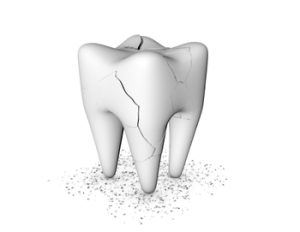
- A dental professional numbs the affected area.
- Your dentist will carefully create a small opening in the tooth to access the infected pulp area.
- They will remove the pulp and thoroughly clean and disinfect the inner chamber of the tooth.
- The cleaned root canals are sealed using a flexible, rubber-based material.
- A provisional filling or crown is applied until the permanent crown is ready for placement.
Root canal treatment aims to eliminate infection while preserving the treated tooth and returning it to full function and appearance.
How Long Does It Take to Recover from a Root Canal?
Most people find that recovery following a root canal appointment is faster and more manageable than anticipated. Typically, most people can resume their usual routines within one to two days. However, full recovery and healing of the soft tissue around the treated tooth may take a few days to a couple of weeks.
Let’s break down the recovery timeline into key phases:
Immediate Post-Procedure Period (First 24–48 Hours)
Following a root canal, it’s common to experience mild discomfort or mild pain once the anaesthetic wears off. This discomfort is usually due to inflammation in the surrounding tissues, not the tooth itself (as the nerve has been removed).
During this period:
- You may feel tenderness when biting down.
- Some patients experience swelling or sensitivity.
- Eat soft foods and avoid chewing on the side of your mouth where the treatment was done.
Non-prescription pain relief or medication provided by your dentist can ease discomfort after treatment.
Short-Term Recovery (3 to 7 Days)
Most people recover from a root canal within this window. The healing process varies slightly depending on the infection severity, the complexity of the dental treatment, and how well the body responds.
Here’s what to do during this period to ensure proper healing:
- Make sure to follow your dentist’s aftercare instructions closely for proper healing.
- Avoid hard, crunchy, or sticky foods.
- Practise careful oral hygiene by brushing and flossing gently near the tooth.
- If discomfort persists or worsens, contact your dentist immediately.
Full Healing and Restoration (1 to 2 Weeks)
In most cases, discomfort subsides completely within 7 days. However, if a dental crown or permanent crown needs to be placed over the treated tooth, your dentist will arrange additional appointments to finalise the restoration with a permanent crown.
At this stage:
- You’ll receive your permanent crown, which seals the tooth and restores full function.
- If you’re still experiencing pain or unusual symptoms, your dentist may recommend further evaluation.
Healing can take longer if the tooth infection is severe or if there are complications such as abscess formation.
Factors That Influence Root Canal Recovery Time
Not every root canal recovery is the same. Several factors can influence how long your recovery takes:
1. Severity of Infection
A minor tooth infection caught early generally results in quicker healing. More extensive infections may require additional endodontic procedures, antibiotics, or a longer post-procedure recovery.
2. Condition of the Treated Tooth
Infected teeth that have undergone multiple procedures may have weakened structures, leading to longer healing times.
3. Proper Care After Treatment
How well you follow your post-procedure care instructions directly affects healing. Failure to adhere can lead to complications or prolonged recovery.
4. Use of a Temporary vs. Permanent Crown
If only a temporary crown is placed after the initial treatment, some patients experience sensitivity until the permanent crown is fitted.
5. Overall Dental and General Health
Patients with strong oral health habits and no underlying conditions (e.g., diabetes or autoimmune diseases) typically heal faster.
How to Support Proper Healing
To ensure proper healing and avoid unnecessary delays, follow these steps:
Maintain Good Oral Hygiene
- Brush and floss your teeth regularly, gently and carefully around the treated tooth.
- Use a non-alcoholic mouthwash if recommended.
- Keep up with your dental hygiene habits to maintain optimal oral health.
Eat Soft Foods Initially
Stick to soft, lukewarm foods such as mashed vegetables, yoghurt, soup, and scrambled eggs in the first few days after treatment.
Avoid Hard or Sticky Foods
Chewing on the affected side too soon can damage the temporary filling or aggravate surrounding tissues.
Attend All Follow-Up Appointments
Don’t skip your follow-up appointments, as they’re necessary to monitor healing and apply the permanent crown.
Report Any Unusual Symptoms
Should you notice intense pain, swelling, a fever, or symptoms of reinfection, contact your dentist without delay.
Is Pain After a Root Canal Normal?
Some mild discomfort is common following a root canal, but it typically fades within a few days. Persistent or severe pain, however, is not typical and may signal an issue such as:
- Incomplete removal of the infected pulp
- A crack in the natural tooth
- Improper sealing of the canal
- A new tooth infection
Reach out to your dentist promptly if the pain intensifies after three days or if new symptoms arise.
Root Canal Recovery vs. Other Dental Procedures
Compared to other dental treatments, root canal recovery is relatively smooth. For example:
- Tooth extraction often requires a longer healing period and may lead to greater post-op discomfort.
- Repeated dental procedures on the same tooth, like large fillings or crowns, can sometimes delay healing due to ongoing irritation.
When performed well and followed by proper care, root canals are an effective way to resolve tooth infections and preserve the natural tooth with minimal disruption to your daily life.
Long-Term Care After Root Canal Treatment
Once healed, a root canal-treated tooth can last for many years, often a lifetime, if cared for properly.
Here’s how to maintain your restored tooth:
- Continue with regular dental checkups
- Maintain good oral hygiene
- Don’t use your teeth to tear open packaging or bite into hard materials
- Address tooth pain or sensitivity early
- Discuss any concerns about post-root canal symptoms with your dental professional
A well-maintained treated tooth functions just like any other, especially once it’s protected with a well-fitting dental crown.
When to Seek Help
Call your dentist right away if you notice: 
- Intense swelling around the treated area
- Fever or chills
- Persistent severe pain
- A bad taste or odour from the treated tooth
- Pain that interferes with eating or sleeping after the third day
Acting quickly can reduce the risk of complications and support a successful result from your endodontic treatment.
Final Thoughts: Recovery Can Be Quick and Comfortable
So, how long does it take to recover from a root canal? For most people, the answer is just a few days to a week. With the right aftercare, you can return to normal activities quickly, protect your smile, and avoid further issues.
By following your post-treatment care instructions and staying in touch with our dental team in Kurralta Park, you give yourself the best chance at optimal healing and long-term success.
If you’re concerned about tooth infection symptoms or want a long-term solution that preserves your natural tooth, book a consultation with us at Cross Road Dental, our dental clinic in Plympton, or call (08) 8004 5137. And if you’re based nearby, our local Goodwood dental team can also guide you through tailored aftercare options to make your recovery from a root canal smooth and worthwhile.
Note: Any surgical or invasive procedure carries risks. Before proceeding, you should seek a second opinion from an appropriately qualified health practitioner.
Resources
WebMD Editorial Contributor. (2023). ‘What Is a Soft Food Diet?’. WebMD, 12 July. New York, NY: WebMD LLC.
https://www.webmd.com/diet/what-is-a-soft-food-diet
WebMD Editorial Contributors. (2025). ‘Tooth Abscess’. WebMD, 27 May. New York, NY: WebMD LLC.
https://www.webmd.com/oral-health/dental-abscess
WebMD Editorial Contributors. (2023). ‘An Overview of Root Canals’. WebMD, 27 August. New York, NY: WebMD LLC.
https://www.webmd.com/oral-health/root-canals