

Maintaining good oral hygiene is key to keeping your teeth and gums healthy and supporting overall health. If you’ve ever wondered how to improve oral hygiene, the answer often lies in small, consistent habits that make a long-term difference.
An effective oral hygiene routine helps protect against many possible dental problems. Whether you want to enhance your current habits or establish a stronger routine, improving oral hygiene can contribute to better oral health.
Understanding the Importance of Good Oral Hygiene
Good oral hygiene does more than keep your smile looking clean. It also helps prevent conditions such as gum disease, tooth decay, and even oral cancer.
Poor oral hygiene may lead to dental plaque buildup, which increases the risk of bleeding gums, gum recession, and tooth loss. Research has also found connections between poor oral health and health conditions such as heart disease and low birth weight in pregnant women.
Improving your oral hygiene habits can help lower this risk of complications while keeping your teeth and gums healthy in the long term.
Establishing a Good Oral Hygiene Routine
 A consistent oral hygiene routine is the stepping stone to good oral health. Brushing your teeth daily using fluoride toothpaste and a toothbrush with soft bristles is important. Brushing helps you get rid of plaque and food particles on your teeth and along the gum line.
For thorough cleaning, brush for at least two minutes and reach all areas of your mouth, including the back molars and the tongue, where bacteria often accumulate. Change your toothbrush every 3 to 4 months or sooner if the bristles appear frayed.
The Role of Flossing and Interdental Cleaning
While brushing is crucial, it only removes plaque from the outer surfaces of your teeth. Dental floss and interdental brushes help clean the tight spaces between your teeth that toothbrushes can’t reach. Flossing once a day helps get rid of plaque and food debris, lowering the risk of decay and gum disease.
To use dental floss effectively, wind the floss around your middle fingers, leaving about five centimetres between them. Slide it between your teeth, curving it around each and every tooth and moving it under the gum line. Avoid snapping or forcing the floss, as this can harm the gums.
Choosing the Right Toothpaste and Mouthwash
Fluoride toothpaste is an integral part of maintaining good oral hygiene. It helps support the tooth enamel and protect teeth against decay. A dental professional can recommend a suitable product for individuals prone to sensitivity or dry mouth.
Mouthwash can also complement your routine by helping to reduce plaque and freshen breath. However, it should not substitute brushing or flossing. Pick a mouthwash that contains fluoride, but avoid those with high alcohol content if you experience dry mouth.
Nutrition and Its Role in Oral Health
A healthy diet supports both your oral and overall health. Nutritious foods like fruits, vegetables, dairy products, lean proteins, and whole grains contribute to strong teeth and gums. Calcium, vitamin D, and phosphorus are essential in maintaining tooth enamel and bone structure.
Limit sugary drinks and snacks, which may lead to plaque buildup and tooth decay. Frequent snacking also increases acid exposure, which weakens enamel over time. Drinking plenty of water may help rinse away particles and neutralise acids in the mouth.
Preventing Gum Disease and Tooth Decay
Gum disease and decay are two common oral health problems. Gum disease begins as plaque starts to build up along the gum line, potentially causing inflammation and bleeding gums. It can progress into a more severe form without proper care, leading to gum recession and loose teeth.
Regular brushing, flossing, and dental cleanings are essential to remove plaque and prevent dental decay and gum disease. Fluoride treatments, offered by a dentist, can also help strengthen enamel and protect against cavities.
Recognising Signs of Poor Oral Hygiene
 Recognising early signs of poor oral hygiene allows you to address issues before they become more serious. Common symptoms include:
- Persistent bad breath
- Bleeding or swollen gums
- Tooth sensitivity or discomfort
- Plaque buildup or discolouration near the gum line
- Dry mouth or a sticky feeling in the mouth
If you have any of these symptoms, it’s recommended to consult a dental professional to identify the cause and recommend suitable care.
Why Regular Dental Visits Matter
Regular dental visits are key to maintaining dental health, even with a thorough oral hygiene routine. A dental practitioner can detect early signs of conditions that may not cause pain or visible symptoms in the early stages.
During these visits, your dentist may also perform a professional cleaning to remove tartar, provide a fluoride treatment to protect enamel, and offer guidance on improving your daily routine.
Visiting your dentist regularly helps you keep your teeth healthy and identify potential problems early.
Common Mistakes to Avoid in Oral Hygiene
Even with consistent effort, certain everyday habits can unintentionally reduce the effectiveness of your oral hygiene routine.
Awareness of these can help you protect your teeth and gums more effectively. Brushing too hard, which can wear down tooth enamel and irritate the gums
- Forgetting to replace your toothbrush regularly
- Neglecting to floss or clean between teeth
- Consuming frequent sugary drinks or snacks
- Skipping regular dental check-ups
By recognising and adjusting these habits, you can build a more balanced, effective oral hygiene routine that supports strong teeth, healthy gums, and lasting oral health.
Frequently Asked Questions
Is it necessary to floss every day?
Yes. Flossing daily helps remove plaque and food particles from areas your toothbrush cannot reach.
What causes bleeding gums?
Bleeding gums may result from plaque buildup along the gum line, early gum disease, or brushing too hard. If bleeding persists, consult a dentist.
When should I visit the dentist?
Even if your teeth feel fine, you should see your dentist every 6 months or a year for check-ups and professional cleanings.
Conclusion
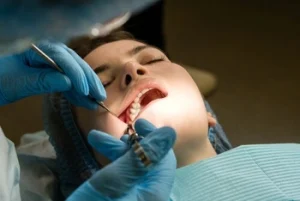 Learning how to improve oral hygiene begins with small, consistent steps. Brushing your teeth twice a day, flossing daily, using fluoride toothpaste, and visiting your dentist regularly can improve your oral health. A good oral hygiene routine protects teeth, strengthens gums, and supports your overall health.
By combining proper care at home with professional advice, you can maintain a clean, healthy mouth and help prevent future oral health problems.
If you’re ready to take a proactive approach to your oral health, our dental team is here to help. Book a consultation to discuss your oral hygiene routine, learn practical ways to care for your teeth and gums, and receive personalised advice for maintaining a healthy smile.
Contact Cross Road Dental at (08) 8004 5137 to schedule an appointment or learn more about how small daily habits can improve oral health.
References
Arbildo-Vega, H. I., Cruzado-Oliva, F. H., Coronel-Zubiate, F. T., Meza-Málaga, J. M., Luján-Valencia, S. A., Luján-Urviola, E., Echevarria-Goche, A., Farje-Gallardo, C. A., Castillo-Cornock, T. B., Serquen-Olano, K., Padilla-Cáceres, T., Caballero-Apaza, L., & Aguirre-Ipenza, R. (2024). Periodontal Disease and Cardiovascular Disease: Umbrella Review. BMC Oral Health, 24(1). https://doi.org/10.1186/s12903-024-04907-1
Cherney, K. (2025, May 13). 10 Ways to Keep Your Teeth Healthy. Healthline. Retrieved October 21, 2025, from https://www.healthline.com/health/dental-and-oral-health/best-practices-for-healthy-teeth
Karimi, N., Samiee, N., & Moradi, Y. (2023). The Association Between Periodontal Disease and Risk of Adverse Maternal or Neonatal Outcomes: A Systematic Review and Meta-Analysis of Analytical Observational Studies. Health Science Reports, 6(10). https://doi.org/10.1002/hsr2.1630