

Noticing some soreness when you start a new aligner tray? That sensation is one of the most common things people experience during Invisalign treatment, and it catches many people off guard. Understanding what causes it, and how to manage it, can make a real difference to how comfortable your Invisalign journey feels from week to week.
The discomfort usually follows a predictable pattern. It tends to peak in the first day or two after switching to a new set of clear aligners, then gradually settles as your teeth begin to adjust. Knowing this can make it easier to stay on track.
Quick Overview
- Mild soreness or pressure is a normal part of Invisalign treatment, most noticeable in the first day or two after each new tray
- Most people wearing Invisalign experience some degree of initial discomfort, particularly in the early stages of each new tray cycle
- Cold compresses, soft foods, over-the-counter pain relief, and orthodontic wax may all help reduce discomfort during the adjustment period
- Pain levels vary from person to person and depend on factors like how much tooth movement is required, individual pain thresholds, and how consistently aligners are worn
- Persistent or severe pain, sharp edges, or sudden tightness beyond the normal adjustment window are all worth raising with your dentist
Keep reading to understand what causes Invisalign pain, when it is expected, and which strategies may reduce it.
Why Does Invisalign Cause Discomfort?
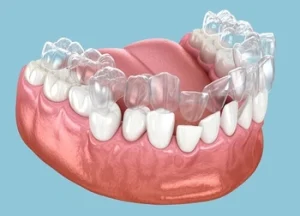 Invisalign aligners work by applying controlled pressure to your teeth to guide them into a new position. Each new tray is a slightly different shape from the last, which means your teeth need to move to fit it properly. That movement is what creates the sensation most people describe as tightness or mild aching.
Clear aligners are designed to put pressure on specific teeth to cause movement, and most people need to wear them for 20 to 22 hours per day for treatment to progress as planned.
Individual outcomes vary. How much discomfort you feel depends on factors like the degree of tooth movement required, your personal pain threshold, and how consistently you wear your aligners.
How to Stop Invisalign Pain: Seven Practical Strategies
Managing Invisalign discomfort involves a mix of at-home approaches. None of these replaces clinical advice, and what works well for one person may be less effective for another. Individual responses vary.
- Apply a cold compress
Holding a cold pack wrapped in a soft cloth against the outside of your cheek for 10 to 15 minutes can help reduce swelling and temporarily ease soreness. Avoid placing ice directly on skin. If discomfort does not settle after the first few days of a new tray, it is worth discussing with your dentist.
- Drink cold water
Sipping cold water throughout the day may provide a degree of temporary relief. It also supports good oral hygiene habits during treatment. Avoid sugary drinks and anything carbonated, as these can affect both the aligners and your tooth enamel.
- Switch to a soft food diet for the first few days
Eating softer foods, such as soups, yoghurt, scrambled eggs, and smoothies, takes pressure off teeth and gums while they are adjusting. Avoid hard, crunchy foods during the adjustment window, as these can intensify discomfort.
- Use over-the-counter pain relief if needed
Ibuprofen or paracetamol, taken at the recommended dosage, may reduce inflammation and ease tooth pain after inserting a new aligner tray. Always follow the product label, and seek advice from your dentist if you have any concerns. These options are for short-term use only.
- Apply orthodontic wax to sharp edges
If the edge of an aligner tray is rubbing against your gum or cheek and causing irritation, a small amount of orthodontic wax can create a smooth surface. This is particularly useful in the early weeks of treatment while your mouth is still adjusting to the feel of the trays. Orthodontic wax is available from most pharmacies.
- Switch to a new tray at night
Many people find it helpful to insert a new aligner tray just before going to sleep. This way, the initial pressure and early adjustment phase occurs while you rest, rather than during the day. The discomfort is often more noticeable during waking hours when attention is focused on it.
- Keep wearing your aligners consistently
It may seem counterintuitive, but removing your aligners more than necessary can actually make discomfort worse. When aligners are taken out for extended periods, teeth can begin to shift back slightly. Reinserting the tray then creates greater pressure. Consistent wear, for the recommended 20 to 22 hours per day, helps your teeth adapt more smoothly.
What About Invisalign Jaw Pain?
Some people notice jaw muscle soreness or tension during Invisalign treatment, particularly in the early stages. This can occur as the jaw adjusts to the aligners or to changes in how the teeth come together. It is usually temporary.
If jaw pain is persistent, sharp, or affecting your ability to eat or open your mouth, this is worth discussing with your dentist promptly. It may indicate an issue with aligner fit or a separate concern that needs assessment.
When Should You Contact Your Dentist?
 Mild discomfort during the adjustment period is expected. The following situations are not typical and warrant a phone call or appointment:
- Pain that does not settle after five to seven days on a new tray
- Sharp or stabbing pain at any point
- A noticeable change in how your bite feels
- Gum swelling, bleeding, or visible irritation that is not resolving
- An aligner that does not fit or seat properly
Catching these early means your dentist can assess the situation and keep your treatment progressing as planned. It is worth knowing that aligner discomfort is normal and most people find it settles within a few days.
A Considered Approach to Invisalign Treatment
Mild discomfort is a normal part of orthodontic tooth movement. For most people, it follows a predictable pattern and responds well to simple at-home strategies. If you are finding that pain during your Invisalign journey is affecting your daily routine, or if anything about how your aligners fit does not feel right, it is worth speaking with your dentist.
At Cross Road Dental, Dr Christine Brzezniak has provided clear aligner treatment, including Invisalign, since 2012. If you would like to get advice on managing discomfort during treatment, we welcome you to get in touch. You can book an appointment online or call us on (08) 8004 5137. We are open Monday to Saturday with extended evening hours.
Frequently Asked Questions
How long does Invisalign pain last?
For most people, the most noticeable discomfort occurs in the first 24 to 48 hours after inserting a new aligner tray. Discomfort from orthodontic force typically decreases to near-baseline levels within five to seven days. If soreness continues beyond that window on a consistent basis, it is worth checking in with your dentist.
Can I take pain relief for Invisalign discomfort?
Over-the-counter options such as ibuprofen or paracetamol may reduce mild soreness, particularly in the first day or two of a new tray. Always follow the dosage instructions on the packaging.
References
Department of Health and Human Services, Victoria. (2025). ‘Orthodontic treatment’. Better Health Channel, 15 December. Melbourne, VIC: State Government of Victoria. https://www.betterhealth.vic.gov.au/health/conditionsandtreatments/orthodontic-treatment
Healthdirect Australia. (2025). ‘Orthodontic treatments’. Healthdirect Australia, February. https://www.healthdirect.gov.au/orthodontic-treatments
Australian Dental Association. (n.d.). ‘6 Steps to a Healthy Smile’. teeth.org.au. Sydney, NSW: Australian Dental Association. https://www.teeth.org.au/six-tips-for-caring-for-your-oral-health