

A radiant smile can elevate confidence, enhance overall facial appearance, and contribute to better oral health. If you’ve been considering orthodontic treatment but feel hesitant about traditional metal braces, Invisalign treatment might be the perfect solution for achieving a confident smile. This revolutionary teeth straightening option uses Invisalign aligners to move teeth into an improved position without the discomfort of metal brackets and wires. But does it really work? Let’s explore the before and after results, how Invisalign treatment works, and what to expect along the journey to straighter teeth.
The Journey to Straighter Teeth: How Invisalign Works
A confident smile can enhance your look, elevate your self-confidence, and support better oral health. Invisalign provides a subtle and comfortable option for those looking to straighten their teeth without the inconvenience of traditional metal braces. Whether you have crooked teeth, crowded teeth, bite issues, or a narrow smile, Invisalign can help you achieve straighter teeth with clear, removable aligners.
In this guide, we will walk through the Invisalign journey, from the first consultation to the final Invisalign smile, highlighting the before and after results you can expect.
Understanding Invisalign: What Makes It Different?
Invisalign aligners are custom-made, clear trays that gradually shift your teeth into a more balanced smile. Unlike traditional braces, Invisalign offers: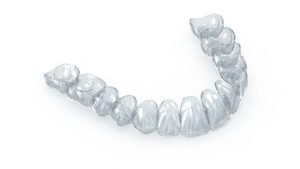
- Discreet treatment – The aligners are nearly invisible.
- Comfortable wear – No metal brackets or wires.
- Removability – You can take them out when eating, drinking, and brushing.
- Fewer dental visits – Adjustments are minimal compared to traditional braces.
With Invisalign, patients can straighten their upper and lower teeth without disrupting their daily lives.
Step 1: The Consultation and Treatment Planning
The first step in your Invisalign treatment is a comprehensive consultation with a qualified dentist. During this visit, the dentist will:
- Assess your teeth and bite.
- Identify issues such as lower crowding, deep bite, or overlapping upper teeth.
- Take digital scans or impressions to create a personalised treatment plan.
This step is crucial for determining how Invisalign can improve the position of your upper front teeth, lower teeth, and upper anterior teeth to create a beautiful smile.
Step 2: Getting Your First Set of Aligners
Once your custom aligners are ready, you will receive a series of clear trays designed to gradually shift your teeth into their new, improved position.
How Do Invisalign Aligners Work?
Each set of aligners is worn for 20-22 hours per day and changed every one to two weeks. The aligners exert mild pressure that aids in:
- Straightening teeth
- Closing gaps and fixing spacing issues
- Aligning the bite for a more balanced smile
- Reducing lower teeth crowding and upper anterior teeth misalignment
During this period, you may experience minor discomfort as your teeth adjust, but this is a sign that the treatment is working.
Step 3: Adjusting to Invisalign and Daily Life
As you start wearing Invisalign, your mouth will need some time to adapt. You might notice:
- A slight change in speech as your tongue gets used to the aligners.
- Mild soreness, especially in the first few days of a new set.
- Aligners should be taken out before consuming any food or beverages except for water.
Tips for a Smooth Transition
- Keep aligners clean by brushing them daily.
- Avoid hot beverages to prevent warping the plastic.
- Stick to your schedule of changing aligners on time.
Consistency is key to optimal results with Invisalign. Wearing your aligners as recommended will ensure the best results.
Step 4: Seeing the Changes – Invisalign Before and After
Watching the gradual transformation over time is one of the most rewarding parts of Invisalign treatment. Depending on the complexity of your case, treatment can last anywhere from six months to two years.
Changes You’ll Notice Over Time
- Front teeth becoming straighter and more aligned.
- Reduction in lower crowding and spacing issues.
- Correction of bite issues such as deep bite or overbite.
- A visibly more balanced smile in photos and daily life.
Patients often start seeing changes within the first few months, making the journey even more motivating.
Step 5: Completing Your Invisalign Treatment
After finishing the last set of aligners, you’ll have achieved a perfect smile. Your teeth will be in their improved position, and any bite issues will be corrected.
Maintaining Your New Smile
To keep your smile looking great, your dentist will provide retainers to keep your teeth from shifting back. Retainers are usually worn at night and help maintain the results long-term.
Benefits of Your New Smile
- Boosted self-esteem
- Easier chewing and eating
- Reduced risk of plaque buildup and cavities
- Improved aesthetics and overall facial balance
Common Issues Invisalign Can Fix
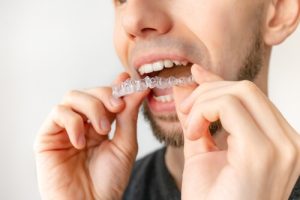 If you’re looking to improve your smile without the hassle of conventional metal braces, Invisalign treatment offers a discreet and comfortable alternative. Using custom-made, clear aligners, Invisalign can address a wide range of orthodontic concerns, helping you achieve a more balanced smile. Whether you’re dealing with crowded teeth, bite issues, or spacing problems, Invisalign provides an effective solution.
Below, we’ll explore some of the most common dental concerns that Invisalign aligners can fix and how they contribute to a beautiful smile.
1. Crooked Teeth
Teeth that are crooked or misaligned can impact both aesthetics and functionality. They can make chewing difficult and increase the risk of plaque buildup due to hard-to-reach areas. Invisalign treatment gradually shifts crooked teeth into their improved position, creating a straighter smile without the need for traditional braces.
How Invisalign Helps:
- Gently moves teeth into alignment
- Improves aesthetics and self-esteem
- Makes oral hygiene easier
2. Crowded Teeth
Crowded teeth occur when there’s not enough space in the mouth, causing lower teeth crowding and overlapping upper teeth. This can lead to difficulty in cleaning between teeth, increasing the likelihood of cavities and gum disease.
How Invisalign Helps:
- Gradually spaces out upper and lower teeth.
- Improves chewing function.
- Minimises risks of tooth decay and gum disease.
For cases of severe crowding, Invisalign may take longer to fully adjust teeth into their ideal position, but the results can be life-changing.
3. Gaps Between Teeth (Spacing Issues)
Excessive gaps between teeth can affect the bite and allow food particles to get stuck, leading to gum irritation and potential oral health problems. Spacing issues can occur anywhere in the mouth, including the upper front teeth or lower teeth.
How Invisalign Helps:
- Moves teeth closer together for a more balanced smile
- Eliminates areas where food can get trapped
- Enhances overall aesthetics and confidence
4. Overbite
An overbite happens when the upper front teeth excessively overlap the lower teeth. While a slight overbite is natural, a deep one can cause bite issues, jaw pain, and even premature tooth wear.
How Invisalign Helps:
- Gradually moves the upper teeth into a better position
- Reduces pressure on the jaw
- Improves overall bite function
With time treatment, Invisalign can correct deep bite concerns, making chewing and speaking more comfortable.
5. Underbite
An underbite occurs when the lower teeth extend beyond the upper teeth, often leading to difficulty in chewing and speaking. This condition can also cause excessive wear on the teeth.
How Invisalign Helps:
- Guides the lower teeth into a more natural position
- Improves facial symmetry and balance
- Helps create a more balanced smile
In some cases, an underbite may require additional treatment beyond Invisalign aligners, such as dental extractions or surgery, depending on its severity.
6. Crossbite
A crossbite occurs when some upper teeth sit behind the lower teeth instead of properly overlapping them. This may result in uneven tooth wear and contribute to gum recession.
How Invisalign Helps:
- Corrects the bite to prevent tooth damage
- Improves alignment of upper and lower teeth
- Reduces stress on the jaw
A corrected bite contributes to both long-term oral health and a confident smile.
7. Open Bite
An open bite happens when the upper and lower teeth don’t align correctly when the mouth is closed, potentially causing issues with chewing, speech, and jaw discomfort.
How Invisalign Helps:
- Moves the teeth into a proper bite position
- Improves chewing efficiency
- Enhances overall appearance
Fixing an open bite with Invisalign treatment can make eating easier and prevent excessive strain on the jaw.
8. Narrow Smile
A narrow smile means that the top teeth are too compressed, reducing the width of your smile. This can impact facial aesthetics and even lead to breathing issues in some cases.
How Invisalign Helps:
- Expands the dental arch for a fuller, more balanced smile
- Improves facial proportions
- Creates a more natural-looking smile
Patients who undergo Invisalign treatment for a narrow smile often notice a significant improvement in their overall appearance and confidence.
9. Lower Teeth Crowding
Lower crowding is one of the most common orthodontic concerns, where the lower teeth overlap due to lack of space. This may lead to uneven tooth wear and create challenges in maintaining proper oral hygiene.
How Invisalign Helps:
- Gently straightens lower teeth
- Improves bite alignment
- Reduces the risk of gum disease and plaque buildup
For those experiencing lower teeth crowding, Invisalign provides a discreet and effective way to correct misalignment without the discomfort of traditional braces.
10. Improved Position of Upper Anterior Teeth
The upper anterior teeth play a significant role in both aesthetics and function. If they are misaligned, they can contribute to an imbalanced smile and cause bite issues.
How Invisalign Helps:
- Aligns upper anterior teeth with the rest of the smile
- Improves facial balance and symmetry
- Creates a more natural Invisalign smile
Life with Invisalign: What to Expect
Embarking on your Invisalign treatment journey is an exciting step toward a confident smile. Whether you’re correcting crooked teeth, lower teeth crowding, or bite issues, Invisalign aligners offer a discreet and comfortable way to achieve straighter teeth. But what is daily life like when wearing Invisalign?
From eating habits to speech adjustments, here’s what you can expect when straightening your upper and lower teeth with Invisalign.
1. Getting Used to Your Aligners
The first few days of wearing Invisalign require an adjustment period. Since the aligners apply gentle pressure to move your teeth into their improved position, you might feel slight discomfort at first.
What You Might Experience Initially:
- Mild tightness or soreness as your teeth start shifting
- A slight lisp as your tongue adapts to the aligners
- Increased saliva production as your mouth adjusts
Most patients find that these sensations fade within a few days. Invisalign treatment is far more comfortable than traditional braces, and the initial discomfort is a sign that your teeth straightening is progressing.
2. Eating and Drinking with Invisalign
One of the major perks of Invisalign aligners is that they are removable, meaning you don’t have the dietary restrictions that come with traditional metal braces. However, you do need to follow some key rules to keep your aligners and teeth in top shape.
Do’s and Don’ts for Eating and Drinking:
- Take out your aligners before consuming any food or beverages other than water.
- Rinse your aligners thoroughly before reinserting them.
- Brush your teeth after eating to reduce the risk of plaque buildup.
- Avoid hot beverages while wearing your aligners, as heat can warp them
- Do not chew gum with your aligners in
By following these steps, you’ll keep your aligners clear and your smile fresh throughout the treatment time.
3. Speaking with Invisalign
For some patients, wearing Invisalign may cause a slight lisp initially. This happens because the aligners slightly alter the way your tongue interacts with your teeth when forming words.
Tips for Adjusting to Speech Changes:
- Read aloud to speed up adaptation
- Practise pronouncing tricky words
- Give yourself a few days to get used to the feeling
Most patients adjust within a week and experience no long-term speech issues.
4. Cleaning and Maintaining Your Aligners
Maintaining the cleanliness of your Invisalign aligners is essential for good oral hygiene and reducing the risk of plaque accumulation. Since the trays sit directly against your teeth, any trapped bacteria or food particles can increase the risk of cavities and bad breath.
How to Keep Your Aligners Clean:
- Brush them gently with a soft toothbrush (no toothpaste, as it can be abrasive)
- Use Invisalign cleaning crystals or mild soap
- Rinse them with lukewarm water (never hot)
- Store them in their protective case when not in use
Skipping proper cleaning can lead to discolouration and unpleasant odours, so maintaining good hygiene is essential.
5. Wearing Invisalign: Sticking to the 22-Hour Rule
For the best results, Invisalign treatment requires you to wear your aligners for 20 to 22 hours per day. This means you should only remove them when eating, drinking (other than water), or brushing your teeth.
What Happens If You Don’t Wear Them Enough?
- Your treatment time may be extended
- Your teeth may not move as planned
- Aligners may feel tighter if not worn consistently
Skipping or forgetting to wear your aligners can delay progress, so staying committed is essential.
6. Pain and Discomfort: What to Expect
Unlike traditional braces, Invisalign is designed to be more comfortable, but some mild discomfort is normal, especially when switching to a new set of aligners.
Managing Discomfort:
- Use over-the-counter pain relief if needed
- Switch to new aligners at night to sleep through initial tightness
- Stick to softer foods if your teeth feel sensitive
Any discomfort should fade within a couple of days as your teeth adjust.
7. Seeing Progress: Invisalign Before and After
One of the most exciting parts of Invisalign treatment is seeing how your smile transforms over time.
What to Expect at Different Stages:
- First few weeks: Small shifts in your teeth position
- Midway through treatment: Noticeable alignment improvements
- End of treatment: A complete transformation, with straighter teeth and a more balanced smile
Your dentist may provide digital progress images so you can track your Invisalign before and after results.
8. Life After Invisalign: Retainers and Maintenance
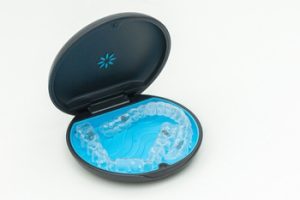 After completing your Invisalign treatment, wearing retainers is necessary to keep your teeth from shifting out of alignment. This is a crucial step in maintaining your perfect smile.
Post-Treatment Care:
- Wear your retainers as instructed by your dentist
- Maintain good oral hygiene to prevent plaque buildup
- Avoid excessive hot beverages that can weaken enamel
Invisalign vs Traditional Braces: Which is Better?
Traditional metal braces are effective but can be uncomfortable and noticeable. Invisalign offers clear advantages:
- Nearly invisible for a discreet look
- Removable for easy eating and cleaning
- More comfortable with smooth, plastic aligners
- No food restrictions
- Fewer dental visits are needed
- Easier to maintain oral hygiene
- Customised for precise, gradual tooth movement
- Shorter treatment time for mild cases
Achieve Your Dream Smile with Invisalign
Suppose you’ve been hesitant about orthodontic treatment, the before and after results of Invisalign treatment speak for themselves. Whether correcting crooked teeth, fixing bite issues, or achieving a more balanced smile, Invisalign aligners offer a discreet, comfortable, and highly effective solution for straightening teeth. Schedule a consultation today and take the first step towards your perfect smile.
Contact Cross Road Dental now at (08) 8004 5137 to book your appointment and start your Invisalign journey!
References
- American Association of Orthodontists. (n.d.). Retainers. Retrieved from https://aaoinfo.org/treatments/retainers/
- Cleveland Clinic. (n.d.). Oral hygiene. Retrieved from https://my.clevelandclinic.org/health/treatments/16914-oral-hygiene
- Shahrabani, R., Gitelman, Y., & Ben-Avraham, R. (2023). Anterior Open Bite Malocclusion: From Clinical Treatment Strategies towards the Dissection of the Genetic Bases of the Disease Using Human and Collaborative Cross Mice Cohorts. Retrieved from https://pmc.ncbi.nlm.nih.gov/articles/PMC10672619/
- Medical News Today. (n.d.). Metal braces: Uses, costs, benefits, and more. Retrieved from https://www.medicalnewstoday.com/articles/metal-braces-uses-costs-benefits-and-more-2
- WebMD. (n.d.). Gingivitis and periodontal disease. Retrieved from https://www.webmd.com/oral-health/gingivitis-periodontal-disease
- Drugs.com. (n.d.). Pain. Retrieved from https://www.drugs.com/condition/pain.html