

Tooth pain can make daily life difficult, and sometimes, a root canal is the best way to fix the problem. But what about the root canal cost? Many people wonder how much they will need to pay and what makes the price different for each person. Some treatments are simple, while others need extra care, which can change the total amount. Wouldn’t it help to know what goes into the pricing before making a choice? Understanding these details can give you a clearer idea of what to expect and how to plan for the treatment.
What Is a Root Canal and When Is It Necessary?
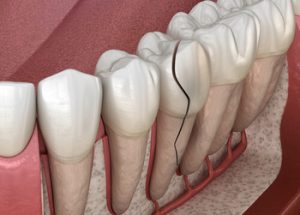
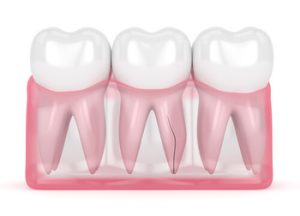
A root canal is a treatment used to save a natural tooth when a deep infection develops inside. When tooth decay reaches the pulp, it can cause severe tooth pain and swelling. If left untreated, the infected tooth may affect the surrounding teeth, leading to more serious problems. A root canal is necessary when the affected tooth cannot heal on its own and needs cleaning from the inside. Without treatment, the only option may be a tooth extraction, which can leave a gap in the smile.
 How Much Does Root Canal Treatment Cost?
 How Much Does Root Canal Treatment Cost?
Root canal pricing in Australia changes depending on the tooth needing care and the level of work involved. Molars often require a more detailed approach, making them more expensive than front teeth. The starting price for a basic root canal is about $900, but the total amount can rise for more difficult cases. Consulting a dentist will provide accurate pricing details and guidance on how the procedure can help save your tooth.
What Factors Influence the Cost of Root Canal Treatment?
Some dental procedures come with different pricing, and understanding the reasons behind the variation can be helpful. Root canal treatment is no exception, as several factors determine how much a patient may need to pay.
The Tooth’s Location and Its Role in Pricing
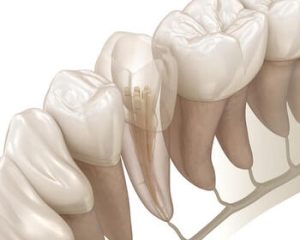
Different teeth have different structures, which affects the complexity of the procedure. Front teeth generally have one canal, making them easier to treat. On the other hand, molars have multiple canals, requiring more time and precision. Since molars are located at the back, accessing them may take extra effort. These differences contribute to the overall root canal cost.
The Severity of the Infection
A mild infection may require less work, while an advanced case could involve extra steps. If the damage is deep, cleaning and sealing the tooth properly may take more time. Some cases involve additional treatments, which can affect the cost of root canal procedures. Early treatment helps prevent complications, reducing the need for more complex care.
Additional Treatments Needed
Some teeth may need extra support after the procedure. In many cases, a dental crown is placed to strengthen the tooth. If the structure is weak, more reinforcement is required. These additional steps affect the root canal treatment cost. A thorough evaluation ensures the right approach is taken to protect the treated tooth.
The Expertise of the Dentist
A dentist with extensive experience may charge more due to their expertise. The level of skill and training influences the overall treatment plan. Patients should choose a trusted dentist to ensure a successful outcome.
Type of Equipment and Technology Used
Modern technology can improve the efficiency of the procedure. Digital imaging, microscopes, and advanced cleaning systems help make the process more precise. While these tools enhance accuracy, they can also affect the total cost. High-quality materials used in sealing the tooth also contribute to pricing.
Private Health Insurance Coverage
 Some dental plans may cover root canal therapy, reducing out-of-pocket expenses. The level of coverage depends on the policy. Checking the details beforehand can help in planning for the treatment. Understanding what is included ensures no unexpected costs arise during the process.
The price of a root canal varies based on several factors, from the tooth’s position to the level of infection. Advanced techniques and additional care may also influence the overall root canal treatment cost. Understanding these elements helps patients prepare for their procedure. Consulting a dentist is the best way to get an accurate estimate. A personalised assessment ensures the right treatment is planned based on individual needs.
What Happens During a Root Canal Procedure?
A visit to the dentist for this treatment can raise many questions, especially about what happens during the process. Knowing the steps involved can help make the experience feel more manageable and less overwhelming.
Numbing the Area for Comfort
Before starting, the dentist ensures the patient is comfortable by numbing the affected tooth. A local anaesthetic is applied to the surrounding area to prevent discomfort. Once the numbing takes effect, a protective covering is placed to keep the tooth dry during the root canal procedure. This step helps ensure a smooth and controlled process. Patients remain awake but should not feel discomfort while the treatment is carried out.
Creating an Opening in the Tooth
To access the damaged area, a small opening is made on the surface of the damaged or infected tooth. This allows the dentist to reach the inner part where the pulp and nerves are located. Care is taken to remove any affected tissue inside the tooth. Special tools help clear out bacteria and any remaining pulp that may cause further issues. Removing the damaged tissue is an essential step in preparing the tooth for the next stage.
Cleaning and Disinfecting the Canals
Once the inside of the tooth is exposed, thorough cleaning begins. The dentist carefully removes all bacteria and infected material using fine instruments. A disinfecting solution is applied to wash away any remaining particles. This step ensures that no harmful bacteria are left behind, reducing the risk of future problems. Cleaning the canals thoroughly helps create a strong foundation for sealing the tooth.
Sealing the Tooth to Prevent Infection
After the canals are cleaned, they need to be sealed to protect against bacteria. A special filling material is placed inside to keep the space closed. The top of the tooth is then sealed to restore its shape. This part of the root canal treatment ensures that no bacteria can re-enter the treated area. A properly sealed tooth helps maintain long-term oral health.
Restoring Strength and Function
To complete the root canal process, the dentist may recommend a crown for added protection. This is especially important for teeth that have lost significant structure. A well-fitted crown allows the tooth to function normally again. The final restoration blends with the rest of the teeth for a natural appearance. Once the tooth is fully restored, it can handle daily activities like chewing without difficulty.
The Final Check and Follow-Up
After the endodontic treatment, the dentist checks the bite and ensures the treated tooth is secure. Patients may be given guidance on how to care for the area as it heals. A follow-up visit may be scheduled to examine the healing process. Completing the root canal therapy successfully helps preserve the natural tooth and maintain a healthy smile.
How Should You Care for Your Teeth After a Root Canal Treatment?
A root canal helps save a damaged tooth, but proper care is needed afterwards to support healing. Looking after your teeth the right way can make a big difference in how well the treatment works and how long the results last.
Protecting the Treated Tooth from Pressure
Sensitivity may occur after a root canal. Applying too much pressure to the treated tooth while biting can cause discomfort and delay the healing time. Wouldn’t it be better to give your tooth time to settle? Try to chew on the other side of your mouth until the tooth feels stronger. If a crown has not been placed yet, avoiding sticky or hard foods will help prevent damage.
Maintaining Good Oral Hygiene
Keeping the area clean is important to stop bacteria from causing further issues. Brushing and flossing should be done gently around the treated tooth to avoid irritation. Using a soft toothbrush can help protect the area while still keeping it clean. Wouldn’t it be easier to maintain dental health by following a good cleaning routine? A dentist may also recommend a mouth rinse to help keep the gums free from bacteria.
Watching for Signs of Discomfort
Mild soreness is normal after a root canal, but if the pain gets worse or lasts too long, it could be a sign of a problem. Swelling, severe pain, or an unusual taste in the mouth may need attention. Checking in with a dentist when something doesn’t feel right can prevent bigger issues. Catching concerns early reduces the chance of root canal failure and helps protect the tooth.
Avoiding Habits That Can Harm the Tooth
Certain habits can put stress on the treated tooth, leading to complications. Chewing on ice, biting nails, or grinding teeth can weaken the tooth and cause damage. If grinding at night is a concern, a dentist may suggest using a mouthguard. Taking small steps to protect the tooth can help keep it strong and secure.
Staying Committed to Long-Term Care
A root canal can save a tooth, but long-term care is what keeps it in good condition. Being gentle with the treated tooth, keeping up with cleaning, and visiting the dentist as recommended all play a role in keeping the tooth strong. Small daily habits can make a notable difference in protecting the work done and ensuring the tooth lasts for years to come.
 Take the Next Step for a Healthier Smile
 Take the Next Step for a Healthier Smile
A root canal is an important treatment that helps save your natural tooth and protect your overall oral health. The cost of root canal treatment can rely on different things, but getting the right care at the right time can prevent bigger problems later. If you are experiencing tooth pain or need advice, our team is ready to help. We will explain your options and give you a clear idea of what to expect. Let us help you restore your smile with expert care. Call us today at (08) 8004 5137 to book an appointment and discuss the best solution for you.
Note: Any surgical or invasive procedure carries risks. Before proceeding, you should seek a second opinion from an appropriately qualified health practitioner.
References
https://www.webmd.com/oral-health/root-canals
https://www.betterhealth.vic.gov.au/health/conditionsandtreatments/root-canal-treatment