

Crooked teeth on the bottom row are a common concern for both adults and teenagers. These issues can affect confidence, chewing, oral health and overall comfort. The good news is that a range of orthodontic treatment options now make it possible to gradually straighten bottom teeth with predictable, personalised results. Whether your lower teeth have shifted over time or you have dealt with misaligned teeth since childhood, learning about the causes and treatment options can help you decide on a plan that aligns with your needs.
Why Bottom Teeth Become Crooked Over Time
Crooked bottom teeth are more common than many people realise, and they can develop gradually even if your smile looked straight in the past. Several natural and lifestyle factors influence how the lower teeth shift, crowd, or rotate. Recognising these causes can guide you in choosing an appropriate way to straighten bottom teeth and support long-term oral health.
Natural crowding and jaw changes
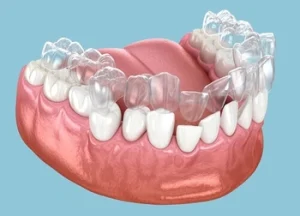 The lower teeth are more prone to crowding because the front part of the jaw is naturally narrower. Even after childhood, the jaw can shift slightly, leading to misalignment of the bottom teeth. This crowding may be more noticeable with age.
Thumb sucking or habits during childhood
Habits like thumb sucking or extended dummy use during childhood can influence the alignment and bite of the upper and lower teeth. These habits may cause the teeth to tilt forward or crowd together.
Missing teeth and shifting
When teeth are missing, the remaining teeth tend to drift into the space left by the missing teeth. This can cause the bottom teeth to rotate or overlap, creating crooked teeth or bite problems.
Pressure from upper teeth
The upper and lower teeth should meet comfortably when biting down. If the bite is not balanced, the pressure from the upper teeth may push the bottom teeth into a misaligned position.
What Problems Can Crooked Bottom Teeth Cause
Crooked or misaligned teeth can cause more than just appearance-related concerns. They may also affect oral health, cause plaque buildup, and contribute to bad breath if cleaning becomes difficult. Crowded areas can be harder to reach, making it challenging to maintain good oral hygiene. Over time, this may increase the risk of gum problems or tooth decay.
Bite problems can also occur when the upper teeth and lower teeth do not come together properly. This may lead to jaw discomfort, uneven wear on other teeth and trouble chewing certain foods.
Effective Ways to Straighten Bottom Teeth and Improve Your Smile
There are several treatment options available today that can gradually straighten bottom teeth and support a healthier, more balanced smile. From traditional braces to discreet removable aligners, each approach offers unique benefits depending on your alignment needs, lifestyle and comfort. Exploring these options allows you to make a well-informed decision about the most suitable way to address crooked or crowded lower teeth.
Traditional metal braces for reliable movement
Traditional metal braces remain a highly effective way to straighten crooked teeth, especially when there is moderate to severe crowding. The brackets and wires apply consistent pressure to gradually straighten the bottom teeth into a desired position. Traditional braces can manage a wide range of alignment issues involving both top teeth and bottom teeth.
Ceramic braces for a less noticeable look
Ceramic braces work much like traditional metal braces, but use tooth coloured brackets that blend more naturally with the surrounding teeth. These braces are popular among adults looking for an option that is less noticeable while still offering strong control over tooth movement.
Lingual braces for hidden treatment
Lingual braces sit on the inner side of the teeth, which keeps them hidden from view when you smile or speak. They can straighten bottom teeth effectively but may require a short adjustment period due to their placement along the tongue side of the teeth.
 Invisalign clear aligners for comfort and flexibility
 Invisalign clear aligners for comfort and flexibility
Invisalign treatment uses removable aligners that are custom-made to fit comfortably over the teeth. These clear aligners gradually move the teeth into better alignment over time. Many adults prefer removable aligners because they are discreet and allow easy cleaning, eating and oral hygiene. Invisalign aligners are suitable for mild to moderate cases of crowding or spacing. They are particularly useful for people who want to straighten teeth without noticeable brackets.
Dental veneers for minor cosmetic adjustments
Dental veneers can enhance the look of slightly misaligned teeth by giving the appearance of a straighter smile in mild cases. They do not change the actual position of the teeth but provide an improved appearance. Veneers are not suitable for significant crowding or bite issues, and your dentist will advise if this cosmetic option is appropriate.
Why DIY braces should be avoided
DIY braces or home-made aligners can cause serious damage to the gums, teeth and bite. Without proper planning from a dentist, these methods may lead to pain, infection and long-term oral health issues.
What to Expect During Orthodontic Treatment for Straighter Bottom Teeth
Starting orthodontic treatment is a constructive step toward enhancing your bite and guiding your teeth into a straighter position. Whether you choose braces or removable aligners, understanding what happens throughout the process can help you feel prepared and confident.
 Creating a personalised treatment plan
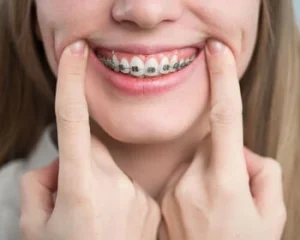 Creating a personalised treatment plan
Your dentist will assess how your upper and lower teeth align, check the position of your jaw and evaluate the extent of any crowding. A treatment plan is then created to ensure the teeth gradually straighten in a safe and controlled manner. Many clinics now offer a free online assessment to guide you through the first steps.
Understanding treatment duration
The duration of treatment depends on your individual needs and the method chosen. Traditional metal braces or ceramic braces may take 12 to 24 months. Invisalign clear aligners often require similar time frames, although some mild cases may finish sooner.
Maintaining good oral hygiene
Keeping up with good oral hygiene is important during any teeth straightening treatment. Brushing thoroughly, flossing and attending routine check-ups help protect the gums and support good oral health throughout the process.
Wearing retainers after treatment
Once the teeth have been moved into the desired position, retainers help maintain the new alignment. Retainers are essential for preventing the bottom teeth from shifting back over time.
When to See a Dentist About Crooked Bottom Teeth
If you notice crowding, rotation, bite discomfort, changes in your smile or trouble cleaning the bottom teeth, it may be time to speak with a dentist. A professional assessment can identify the most appropriate treatment options to achieve a straighter smile and support better oral health.
Ready for Straighter Bottom Teeth? Here Is a Helpful Wrap-Up
Straightening bottom teeth can make a meaningful difference to your smile, comfort and long-term oral health. With many treatment options to choose from, there is a solution for almost any degree of crowding or misalignment. Taking the time to understand your needs and speaking with a qualified dentist can guide you toward a safe and effective treatment plan that aligns with your lifestyle. If you are ready to explore your options or want personalised guidance, contact Cross Road Dental at (08) 8004 5137 to book an appointment and move forward toward achieving a straighter and healthier smile.
References
Colgate. (2023, January 9). What is good oral hygiene? Colgate Oral Health. https://www.colgate.com/en-us/oral-health/adult-oral-care/what-is-good-oral-hygiene
Cleveland Clinic. (n.d.). Teeth braces. https://my.clevelandclinic.org/health/treatments/24601-teeth-braces
Mayo Clinic. (n.d.). Thumb sucking: Help your child break the habit. https://www.mayoclinic.org/healthy-lifestyle/childrens-health/in-depth/thumb-sucking/art-20047038