

When your toddler’s breath suddenly turns unpleasant, it can be surprising and even concerning. As a parent, you might be wondering what’s causing that bad smell and whether it’s a normal part of development or a sign of something more serious. While sudden bad breath in toddlers is common, it’s important to explore the potential causes so you can take the right steps to address it.
In this guide, we’ll break down the most common reasons behind bad breath in children, the role of oral hygiene, and when it might be time to seek medical attention.
 What’s That Smell? Understanding Sudden Bad Breath in Toddlers
 What’s That Smell? Understanding Sudden Bad Breath in Toddlers
Bad breath, medically known as halitosis, can affect children just as it does adults. While occasional morning breath in toddlers is expected due to reduced saliva flow overnight, a persistent unpleasant smell may be a red flag for something deeper.
The causes of bad breath in toddlers range from poor oral hygiene to dietary habits, infections, and even stuck objects in the nasal cavity.
1. Poor Oral Hygiene: The Usual Suspect
The most common cause of a child’s bad breath is poor oral hygiene. Toddlers are still developing habits, and brushing might be missed or done quickly without adult supervision.
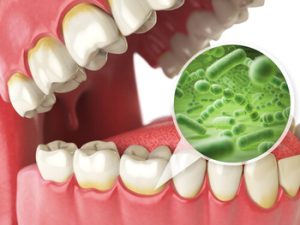
When food particles and sugary residues are left on the baby teeth, they feed odour-causing bacteria that live in the oral cavity. These bacteria break down the food, releasing foul-smelling compounds.
How to help:
- Start and maintain a regular oral hygiene routine (brushing twice a day with a soft toothbrush and child-safe toothpaste).
- Introduce flossing if the child’s teeth are touching.
- Rinse with water after meals to clear food debris.
- Book regular checkups with a dentist for professional cleaning and monitoring.
2. Mouth Breathing and Dry Mouth
Toddlers who breathe through their mouths, especially during sleep, are prone to dry mouth. When saliva production slows, it reduces the mouth’s natural ability to wash away smelly bacteria and food particles.
Dry mouth often leads to morning breath and may become more pronounced if the child has nasal congestion or a sinus infection.
Why saliva matters:
- Saliva helps neutralise acids and remove bacteria.
- A dry mouth creates a perfect environment for bad breath to thrive.
Tip: If your child sleeps with their mouth open or has signs of mouth breathing, consult your child’s dentist to rule out blockages or other health conditions.
3. Sinus Infections and Nasal Congestion
A sinus infection or chronic nasal congestion can cause a toddler’s breath to smell bad due to mucus drainage. When dark green mucus drips down the throat, it creates an ideal breeding ground for bacteria in the back of the mouth and throat.
Additionally, if a child sticks a small object like a bead or food up their nose (surprisingly common in toddlers), it can lead to a foul odour and infection.
Signs to look for:
- Bad breath along with a runny nose, facial pressure, or cough
- Unilateral nasal discharge (usually foul-smelling)
- Complaints of sore throat or headache
When to act: If you suspect a sinus infection, persistent congestion, or a foreign object, seek medical attention promptly.
4. Tooth Decay and Gum Disease
Even baby teeth can develop cavities. Tooth decay and gum disease are serious causes of chronic bad breath in kids. When deep pits in the enamel or inflamed gums trap bacteria, it creates a bad smell that brushing alone may not resolve.
Common indicators:
- Brown or black spots on the child’s teeth
- Bleeding or red gums
- Pain or sensitivity when eating
Next steps:
- Schedule a visit to a dentist
- Treat tooth decay early to avoid infection
- Establish a strict oral hygiene routine
5. Diet Choices: What Kids Eat Matters
What your kids eat can affect their breath more than you realise. Foods like garlic, onions, high-protein diets, and sulphur-producing foods (like eggs or cheese) can cause temporary bad breath.
Also, smelly foods or pungent foods can linger in the child’s mouth, especially when oral hygiene is skipped after meals.
Tips to improve diet:
- Provide a well-rounded diet rich in fruits and veggies
- Limit sticky, sugary snacks that cling to teeth
- Encourage drinking water after eating
- Avoid stinky foods before social outings
6. Tonsil Stones: A Hidden Culprit
Tonsil stones, or calcified debris in the crevices of the tonsils, can emit a very foul odour. Though more common in older children and teens, they can occur in younger children too.
Signs include:
- White or yellowish lumps in the back of the throat
- Sore throat or discomfort while swallowing
- Bad breath that doesn’t improve with brushing
If tonsil stones persist or become large, talk to your child’s doctor for guidance.
7. Medical Conditions and Medications
Certain medical conditions like gastroesophageal reflux (GERD) can cause stomach acids to come up into the throat, contributing to bad breath. Additionally, some medications can cause dry mouth, further compounding the issue.
Examples include:
- Antihistamines (for seasonal allergies)
- Antibiotics
- Asthma medications
Always discuss any changes in your child’s breath with their healthcare provider, especially if it’s accompanied by other symptoms or medication use.
8. Teething and Baby Mouth Funk
During teething, toddlers might have more drool, swollen gums, and less interest in brushing. Combine that with food particles trapped between baby teeth, and you have a recipe for temporary bad breath in toddlers.
What helps:
- Wipe your child’s mouth after meals and before bed
- Gently brush twice daily, even with swollen gums
- Offer safe teething toys and plenty of fluids
9. Not Enough Water, Not Enough Saliva
Hydration plays a key role in oral health. If your child isn’t drinking enough water, their saliva production slows, leading to dry mouth and bad breath.
Encourage frequent sips of water throughout the day. Avoid sugary juices that can dry out the mouth and feed bacteria.
Helpful tip: Carry a water bottle when you’re out and make sipping water part of the daily routine.
10. Could It Be Something They Put in Their Mouth?
 Let’s not forget that toddlers explore the world through their mouths. Stuffed animals, dummies, sippy cups, or toys that aren’t cleaned regularly can harbour smelly bacteria.
These items come into close contact with the oral cavity, and if they’re not cleaned, they could be a hidden source of bad breath in kids.
How to keep things clean:
- Wash toys, pacifiers, and cups daily
- Replace old dummies and toothbrushes regularly
- Don’t share utensils or toothbrushes among siblings
Giving Kids Sugarless Gum: Is It Safe?
For slightly older toddlers (age 4+ and with supervision), giving kids sugarless gum can stimulate saliva flow and help reduce bad breath temporarily. Look for xylitol-based options, which are safe and may even reduce cavity risk.
Note: Always supervise to avoid choking, and only introduce gum when your child can chew without swallowing it.
When to Seek Medical Attention
While many causes of bad breath in children are harmless and easily treatable, there are times when you should seek medical attention.
Red flags include:
- Persistent chronic bad breath
- Pain in the mouth or jaw
- Visible swelling or pus near the gums
- Difficulty swallowing
- Dark green mucus or bleeding from the nose
- Fever with sore throat or facial pressure
Don’t hesitate to speak to your child’s dentist if you notice any of these signs.
Bad Breath Remedies That Actually Work
Here are some effective bad breath remedies suitable for toddlers:
- Brushing and flossing regularly
- Rinsing with water after meals
- Offering crunchy fruits like apples to cleanse the teeth
- Keeping toys and dummies clean
- Ensuring a healthy, hydrating diet
- Visiting a dental professional for routine checks
FAQs About Sudden Bad Breath in Toddlers
Q: Is bad breath in toddlers normal?
Occasional bad breath is common, especially in the morning. Persistent or foul-smelling breath should be investigated.
Q: Can teething cause bad breath?
Yes, increased drooling and food trapped in the mouth can contribute to temporary bad breath.
Q: Should I worry about bad breath if my toddler eats healthy?
Yes, even with a good diet, factors like dry mouth, tooth decay, or infections can cause bad breath.
Q: What foods make bad breath worse?
Pungent foods like garlic, onions, and certain cheeses, along with high-protein diets, can lead to strong odours.
Q: When should I take my child to the dentist for bad breath?
If brushing doesn’t help and the smell persists for more than a few days, book an appointment with a dentist.
 Final Thoughts: Helping Your Toddler Smile Fresh Again
 Final Thoughts: Helping Your Toddler Smile Fresh Again
Bad breath in toddlers can be unsettling, but it’s rarely a cause for panic. Most cases are easily managed with better oral hygiene, hydration, and attention to diet. However, it’s also important to listen to your instincts as a parent. If your child’s breath is consistently foul or other symptoms are present, talk to their healthcare provider.
If you need personalised support for your toddler’s breath or oral care, don’t hesitate to book a consultation with our family-friendly dental clinic serving the Plympton area at (08) 8004 5137. Early action can prevent small problems from becoming big ones.
References
- Healthline. (n.d.). GERD (acid reflux). https://www.healthline.com/health/gerd
- Colgate. (n.d.). What is good oral hygiene? https://www.colgate.com/en-us/oral-health/adult-oral-care/what-is-good-oral-hygiene
- Cleveland Clinic. (n.d.). Mouth breathing. https://my.clevelandclinic.org/health/diseases/22734-mouth-breathing
- Mayo Clinic. (n.d.). Bad breath: Symptoms and causes. https://www.mayoclinic.org/diseases-conditions/bad-breath/symptoms-causes/syc-20350922