

A dental implant aims to replace missing teeth and restore both function and appearance. It’s built to last, often providing years of comfort and reliability. However, there may be times when the dental implant crown becomes loose. This can happen for several reasons, and while it might seem minor at first, it’s important not to ignore the early warning signs.
Identifying the symptoms of loose dental implant crown early gives your dentist the chance to intervene promptly, preventing further complications that may compromise your oral health or the long-term success of your implant.
Understanding the Structure of a Dental Implant
Before identifying what happens when a loose dental implant crown develops, it helps to understand how an implant is structured.
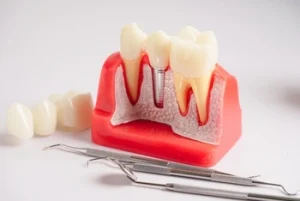
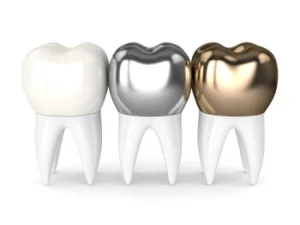 A standard dental implant is made up of three key components that work together to restore the look and function of a natural tooth.:
- The implant post, which is embedded into the jawbone, acts as an artificial tooth root.
- The abutment is a small connector that attaches the implant to the crown.
- The implant crown, which serves as the visible, prosthetic tooth.
When everything is properly fitted and maintained, the implant functions just like natural teeth. However, if any part of this structure becomes unstable, such as the abutment or dental implant screw, the implant may start to feel loose or unstable.
Early Warning Signs You Shouldn’t Ignore
Even though dental implants are designed to be secure and long-lasting, changes in how they feel or function can signal that something isn’t right. Being aware of these early warning signs allows you to act quickly, helping to resolve the problem before it leads to further complications around the implant site.
1. Noticeable movement or wobbling
One of the most common symptoms of a loose dental implant crown is any noticeable movement when you bite or chew. Unlike natural teeth, a properly secured implant crown should never move. If you feel slight mobility around the implant site, it could mean the dental cement has weakened, the screw has loosened, or there’s an issue with the actual implant fixture.
2. Discomfort when chewing or biting
A healthy implant should feel as comfortable as your natural teeth. If you experience discomfort, pain, or sensitivity while biting down on food, this could indicate that your implant crown is loose or that excessive force is affecting the implant structure. Grinding teeth, also known as bruxism, can also lead to screw loosening or even implant complications over time.
3. Gum irritation or swelling around the implant
When the surrounding gums become red, swollen, or tender around the implant area, this could signal inflammation or gum disease. In some cases, bacteria can accumulate around the implant, leading to infection or even bone loss if left untreated.
4. Clicking or tapping sounds
If you hear a clicking noise when speaking or chewing, it may mean the crowns attached to the abutment are shifting. This can happen with both cement-retained crowns and screw retained crowns if the connection has weakened.
5. A feeling that your bite is uneven
A dental implant crown that feels slightly higher or misaligned compared to your other teeth may be loose. This imbalance can cause extra pressure on surrounding teeth, resulting in further damage to the implant or natural tooth enamel.
What Causes a Loose Dental Implant Crown?
A loose dental implant crown doesn’t happen overnight. It’s usually the result of one or more underlying issues that affect the stability of the implant structure or the way the crown is attached. Recognising these underlying causes enables you to identify potential issues early and seek prompt treatment to prevent further damage.
1. Loose abutment or screw
A loose abutment is one of the leading causes of instability. The small screw that connects the crown to the implant post may loosen over time, especially if exposed to excessive force or poor fitting. If left untreated, the entire implant could become compromised.
2. Worn or damaged dental cement
For cement-retained crowns, dental cement holds the crown securely to the abutment. However, over time, this cement can weaken, causing the crown to detach partially or completely.
3. Bone loss or gum disease
Healthy gum tissue and sufficient surrounding bone are essential for a stable implant. Gum disease or infection can cause bone loss around the implant, reducing its stability and leading to a loose implant crown. Practising proper oral hygiene and scheduling regular dental checkups play an essential role in preventing this from happening.
4. Poor oral hygiene and bacterial infection
When plaque and bacteria build up around the implant, they can irritate the gum tissue and surrounding bone. If not treated early, this inflammation can develop into peri-implantitis, a type of gum disease that may result in implant failure.
5. Excessive force from chewing or grinding teeth
Teeth grinding or clenching can put excessive force on both the implant crown and the abutment. Over time, this stress can cause screw loosening, cracks, or even damage to the surrounding bone.
6. Problems with the implant structure itself
In rare cases, issues can arise within the implant fixture or implant post. For example, improper placement, weak jawbone integration, or trauma to the implant area can result in a loose dental implant.
How to Tell if Your Implant or Just the Crown Is Loose
It’s important to differentiate between a loose implant crown and a loose dental implant. A loose crown typically involves the prosthetic tooth moving slightly, while the implant post itself remains stable in the jawbone. However, if the entire implant feels mobile, the issue may be deeper within the implant fixture or the surrounding bone.
You might notice that the implant feels loose only when you chew, or you might see slight movement in the gum tissue around the implant. Either way, it’s best to contact your dental professional for a thorough dental evaluation.
What Actions to Take If Your Dental Implant Starts to Feel Loose
If you suspect your dental implant crown is loose, avoid eating hard or sticky foods and schedule a dental appointment immediately. Ignoring these symptoms could lead to further complications such as gum disease, infection, or implant failure.
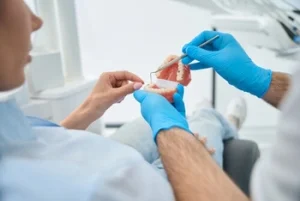
 During your appointment, your dentist will likely:
- Examine the implant site for any visible movement or irritation.
- Take dental X-rays to assess the condition of the surrounding bone and gum tissue for any signs of damage or infection.
- Check whether the problem lies with the crown, abutment, or actual implant.
In some cases, your dentist may tighten the dental implant screw or replace the existing crown. If bone loss or infection is detected, bone grafting may be recommended to rebuild the surrounding bone before fitting a new implant.
Why Timely Intervention Matters
Addressing a loose implant crown early prevents the issue from affecting the implant structure and the health of surrounding teeth. Delaying treatment may cause irreversible damage, such as bone deterioration or gum infection around the implant.
Early treatment also helps preserve the surrounding gums and prevents the spread of bacteria that could cause tooth decay or inflammation in other parts of the mouth. A stable implant crown ensures that the implant continues to function properly and maintains the alignment of your adjacent teeth.
Maintaining a Healthy Implant for the Long Term
Preventing a loose implant crown begins with proper care. Here are a few steps to keep your implant healthy and secure:
- Practise good oral hygiene: Brush twice a day, floss daily, and use an antibacterial mouthwash to keep plaque from accumulating around the implant.
- Attend regular dental check-ups: Routine visits help identify early signs of loose dental implant symptoms and allow for professional cleaning.
- Avoid hard or sticky foods: These can place unnecessary stress on your crowns and abutments.
- Protect against teeth grinding: If you grind your teeth, your dentist might recommend wearing a custom-made night guard to reduce pressure and protect the implant area from excessive force.
- Avoid using your teeth as tools: Opening packages or biting on hard objects can loosen or damage your implant crown.
Following these steps supports both your dental health and the longevity of your prosthetic tooth.
When to Seek Emergency Dental Attention
You should contact your dentist immediately if you notice:
- A loose implant crown or movement around the implant area
- Pain or swelling in the surrounding gums
- Clicking sounds or discomfort when chewing
- Bleeding or signs of infection
- A change in how your bite feels
Prompt action allows your dental professional to identify the root cause and restore the stability of your dental implant before it leads to further damage.
Final Thoughts
 A loose dental implant crown can develop for several reasons, such as screw loosening, a loose abutment, or bone loss from gum disease. However, it might seem like a small issue at first, but leaving it untreated can eventually lead to implant failure and more complex implant complications.
If your dental implant feels loose or you notice unusual movement around the implant site, schedule an appointment with Cross Road Dental at (08) 8004 5137 for a thorough evaluation. Early treatment and professional care can help stabilise your implant, protect your surrounding teeth, and preserve your oral health.
With regular dental checkups, good oral hygiene, and prompt attention to any changes, you can keep your dental crowns secure and your implant healthy for many years to come. Contact Cross Road Dental today to restore your comfort and confidence in your smile.
Note: Any surgical or invasive procedure carries risks. Before proceeding, you should seek a second opinion from an appropriately qualified health practitioner.
References:
- Krans, B. (2023, February 22). Dental X-rays: purpose, procedure, and risks. Healthline Media. https://www.healthline.com/health/dental-x-rays
- Colgate-Palmolive Company. (2023, January 9). What is good oral hygiene? Colgate Oral Health Centre. https://www.colgate.com/en-us/oral-health/adult-oral-care/what-is-good-oral-hygiene
- Cleveland Clinic. (2023, April 10). Periodontal disease (gum disease): causes, symptoms & treatment. https://my.clevelandclinic.org/health/diseases/21482-gum-periodontal-disease
- Johns Hopkins Medicine. (n.d.). Dental implants. https://www.hopkinsmedicine.org/health/treatment-tests-and-therapies/dental-implants