
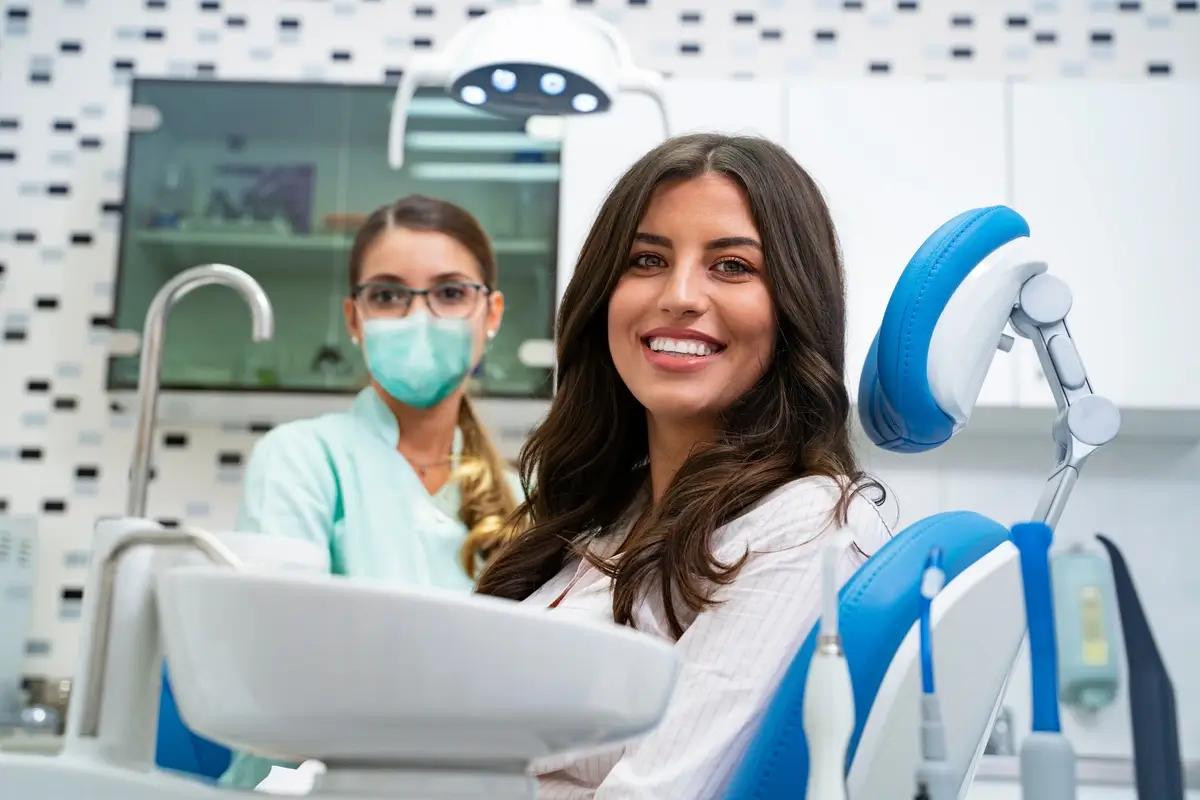
Teeth crumbling during pregnancy can be deeply unsettling. Many women feel shocked when they notice their teeth weakening, chipping, or even falling during a time meant to focus on wellbeing. These changes do not happen without reason. Pregnancy increases the strain on the mouth in several ways, making oral health more vulnerable if early signs are missed. Regular dental check-ups during pregnancy play an important role in identifying issues early, allowing small concerns to be managed before they progress into more serious problems.
While these changes can feel sudden, they are often the result of multiple factors working together rather than one single cause.
Why Pregnancy Increases Dental Risk
Pregnancy increases the likelihood of dental concerns because hormonal shifts affect both teeth and gums. Expectant mothers often experience changes in saliva, circulation, and immune response, which can raise the risk of tooth decay and gum disease.
These changes place some pregnant women in a high-risk category for dental damage, especially if oral hygiene habits are disrupted by fatigue or nausea.
Hormonal effects on gums and teeth
Hormones can make gums more sensitive, swollen, and prone to bleeding. Inflamed gums allow bacteria to accumulate more easily, increasing the risk of gum disease spreading below the gum line. When gums weaken, the supporting structures of the mother’s teeth may be affected.
In some cases, discomfort may feel stronger on one side of the mouth, including the left side, depending on biting patterns or existing dental issues such as wisdom teeth.
 Morning Sickness and Acid Damage
 Morning Sickness and Acid Damage
Morning sickness plays a major role in dental erosion during pregnancy. Repeated vomiting exposes teeth immediately to strong stomach acids, leading to acid erosion that softens enamel over time.
This weakened enamel makes teeth more prone to crumbling, cracking, or sensitivity, especially if brushing happens too soon after nausea.
Protecting teeth after nausea
Rinsing with water after vomiting helps wash away acid. Waiting before you brush your teeth allows enamel to re-harden, reducing damage to the surface of the teeth.
Eating Habits and Cravings During Pregnancy
Eating habits often change during pregnancy, sometimes dramatically. Unusual food cravings, frequent snacking, and comfort eating are common among many women.
Sugary snacks increase acid production in the mouth and raise the risk of tooth decay. Choosing healthier options such as fresh fruit, yoghurt, or nuts supports both dental and overall health. Sugar-free gum can also help by stimulating saliva and reducing acid buildup.
Nutrition and calcium intake
Calcium-rich foods support strong teeth and bones. While the unborn baby does not take calcium directly from the mother’s teeth, inadequate intake can weaken overall dental strength and resilience.
Daily Care and Professional Support
Maintaining oral hygiene during pregnancy is essential. Brushing twice daily, flossing gently, and paying attention to the gumline help protect teeth and gums during this sensitive time.
Seeing a dentist for professional cleaning supports plaque control and gum health. A dentist can assess early signs of damage and help prevent the need for invasive treatment.
When treatment becomes necessary
If decay progresses, treatment such as a root canal may be needed to save a damaged tooth. In severe cases, a tooth may need to be pulled to protect surrounding teeth and prevent infection. Early dental care reduces these risks significantly.
Protecting Mother and Baby Through Oral Health
 Protecting Mother and Baby Through Oral Health
Teeth crumbling during pregnancy is not a sign of failure. It reflects how pregnancy affects the entire body, including the mouth. With mindful care, healthier eating habits, regular dental visits, and consistent oral hygiene, most pregnant women can protect their teeth and avoid long-term damage.
Caring for oral health supports comfort, nutrition, and confidence throughout pregnancy, benefiting both the mother’s teeth and overall well-being.
Final Thoughts on Teeth Crumbling During Pregnancy
Teeth crumbling during pregnancy can be distressing, but it is often linked to manageable factors such as acid erosion, tooth decay, gum disease, and changes in eating habits. Paying attention to early signs and maintaining consistent oral hygiene can make a meaningful difference in protecting your teeth during this time.
If you notice changes in your teeth or gums, visit your dentist to make sure the issue is not something more serious. The last thing anyone wants is for pregnancy-related changes to lead to teeth falling out. Early professional care provides reassurance, supports long-term oral health, and helps keep your focus where it belongs, on a healthy pregnancy and peace of mind.
For personalised advice and pregnancy-safe dental care, book an appointment with Cross Road Dental by calling (08) 8004 5137. Their team can help you protect your teeth and feel confident throughout your pregnancy.
References
Mayo Clinic Staff. (2023, February 24). Periodontitis: Symptoms and causes. Mayo Clinic. https://www.mayoclinic.org/diseases-conditions/periodontitis/symptoms-causes/syc-20354473
Leading voices in oral health strengthen consensus on dental plaque biofilm management. (2025, October 1). Dental Health Foundation. https://www.dentalhealth.org/news/leading-voices-in-oral-health-strengthen-consensus-on-dental-plaque-biofilm-management