

Many people dream of a brighter smile but worry about discomfort caused by sensitive teeth. Tooth sensitivity can make even simple pleasures like sipping hot coffee or enjoying ice cream painful, so the idea of using whitening products might feel intimidating. Fortunately, modern cosmetic dentistry has created effective ways to whiten teeth while keeping sensitivity under control.
This guide explores why sensitivity occurs, what causes discomfort during a teeth whitening treatment, and how you can safely achieve a bright smile without compromising your oral health.
Understanding Tooth Sensitivity
Tooth sensitivity develops when the outer protective layers of your teeth become weakened or worn away, exposing the underlying dentin layer. This layer contains microscopic tubules that connect directly to the tooth’s nerve endings. When hot, cold, sweet, or acidic substances reach the dentin, it can trigger sharp discomfort.
 Common causes of tooth sensitivity include:
- Worn enamel from aggressive brushing or acidic foods
- Tooth decay or cavities
- Gum disease and gum recession
- Damaged teeth or cracks
- Overuse of whitening agents or abrasive toothpaste
If you already have sensitive teeth, using bleaching agents like hydrogen peroxide without professional guidance can increase tooth sensitivity and gum irritation.
How Teeth Whitening Works
A teeth whitening treatment removes stains and discolouration by using whitening agents that break down molecules, causing surface or deep stains. These whitening solutions typically include active components like hydrogen peroxide or carbamide peroxide.
When applied to the tooth surface, the whitening gel penetrates the enamel and reacts with the discoloured compounds, lightening them to create a brighter appearance. Depending on the whitening options you choose, this process can be performed in a dental clinic (in-chair whitening) or through at-home whitening products.
However, the same mechanism that brightens the teeth can sometimes irritate the dentin layer and lead to temporary increased sensitivity.
Why Whitening Can Cause Increased Tooth Sensitivity
During a whitening treatment, peroxide-based whitening agents temporarily open microscopic pores in the enamel. This allows the active ingredients to reach stains trapped in the tooth structure, but can also expose the dentin layer and nerve endings.
This exposure can often cause heightened tooth sensitivity, particularly if your enamel is already worn or your gums are sensitive. Some people may experience mild discomfort that lasts a few hours, while others might feel sharp pain when consuming cold or hot foods for several days.
In most cases, the sensitivity is temporary and subsides once the enamel rehydrates and the tubules close again.
Professional Teeth Whitening vs Home Whitening
There are two main whitening options: professional whitening treatments at the dentist’s office and at-home teeth whitening products. Each comes with its own benefits and considerations, especially for those with sensitive teeth.
Professional Whitening Treatments
Professional teeth whitening carried out at a dental clinic uses controlled concentrations of bleaching agents under the supervision of a dental professional. The dentist customises the treatment according to your oral health and the level of tooth sensitivity you may have.
In-chair whitening is often faster and produces noticeable whitening results after a single session. Because the dentist carefully protects your gums and monitors the exposure time, professional whitening minimises the risk of gum disease or irritation.
Your dentist may also apply desensitising agents such as potassium nitrate or fluoride to reduce discomfort before and after the session.
At-Home Teeth Whitening
Home teeth whitening is more convenient and budget-friendly, using whitening products such as whitening strips, whitening toothpastes, or whitening gels applied with trays.
Although these products can whiten teeth over time, they have lower levels of bleaching agents than those used in professional treatments. While this makes them safer for sensitive teeth, improper use, such as leaving whitening strips on too long, can still cause gum sensitivity or increased sensitivity in teeth with worn enamel.
When in doubt, always consult your dentist before using at-home whitening kits.
Whitening Options Designed for Sensitive Teeth
Modern cosmetic dentistry has developed various whitening options designed for sensitive teeth. These treatments prioritise safety and comfort without sacrificing whitening results.
Some of the most effective approaches include:
- Professional whitening gels with desensitisers: Formulated with potassium nitrate or fluoride to calm nerve endings and strengthen enamel.
- Lower concentration whitening agents: Achieve gradual whitening with minimal irritation.
- Fluoride toothpaste for daily use: Protects against enamel erosion and reduces discomfort caused by whitening treatments.
- Sensitive toothpaste with mild abrasives: Helps maintain a brighter smile while reducing the risk of damaging tooth enamel.
If you experience discomfort even with gentle whitening products, your dentist might recommend spacing out treatments or using desensitising gels between sessions.
Preparing Sensitive Teeth Before Whitening
Before starting any whitening treatment, it is important to prepare your teeth to minimise potential discomfort.
- Schedule a dental check-up: A dental professional can identify any issues like gum disease, cavities, or damaged teeth that should be treated before whitening.
- Use fluoride toothpaste: Strengthen tooth enamel in the weeks leading up to your whitening session.
- Switch to a sensitive toothpaste: This can reduce nerve irritation and prepare your teeth for potential exposure to whitening agents.
- Avoid acidic foods and drinks: These can weaken enamel and increase tooth sensitivity.
- Maintain regular teeth cleaning: Professional cleanings remove surface stains and plaque buildup, improving the effectiveness of your whitening results.
Taking these steps ensures your teeth and gums are in good condition for a successful whitening treatment.
Caring for Sensitive Teeth After Whitening
Post-whitening care plays a vital role in maintaining both your results and comfort. After treatment, your tooth enamel becomes slightly more porous, making it more susceptible to staining and sensitivity.
Here are some key aftercare tips:
- Use a soft-bristle brush: Gently clean your teeth without irritating the gums.
- Rinse with warm salt water: This may help ease mild gum irritation.
- Avoid hot and cold foods for 24 hours: Allow your enamel time to rehydrate.
- Continue using sensitive toothpaste: Especially one containing potassium nitrate or fluoride.
- Stay hydrated: Drinking water helps wash away staining agents and bacteria.
- Avoid coloured foods and drinks: Such as coffee, tea, wine, and tomato-based sauces, for at least a day or two.
Following these recommendations reduces the risk of increased sensitivity and helps preserve your whitening results.
Natural and At-Home Whitening Methods: Are They Safe?
You might come across home remedies claiming to whiten teeth naturally, such as baking soda or activated charcoal. While these may produce slight improvements in brightness, they can also wear down enamel or cause micro-scratches over time.
Home whitening should always prioritise safety. If you prefer to whiten teeth gradually at home, use whitening products approved by dental professionals and avoid abrasive substances that could lead to damaged teeth or exposed dentin layers.
Understanding Whitening Ingredients and Their Effects
Whitening products vary in effectiveness, as the amount of active ingredients and their formulation can greatly affect both results and comfort.
- Hydrogen peroxide: A common whitening agent that effectively breaks down stains but may cause temporary sensitivity.
- Carbamide peroxide: Releases hydrogen peroxide slowly, making it suitable for longer wear and sensitive teeth.
- Fluoride: Strengthens enamel and reduces tooth decay risk.
- Potassium nitrate: Desensitises nerve endings, helping reduce tooth sensitivity during and after treatment.
When choosing a whitening product, check the concentration of bleaching agents and consult a dental professional to ensure it suits your oral health.
How a Dental Professional Can Help
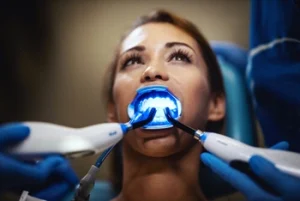 Seeing a dentist before any whitening treatment is essential. A dental professional can assess your oral health, determine the cause of sensitivity, and suggest whitening options that won’t aggravate your condition.
If you have gum disease, cavities, or worn enamel, your dentist may recommend addressing these problems before starting a whitening program. They can also monitor progress and provide professional whitening treatments designed for sensitive teeth to deliver long-lasting, safe results.
Professional supervision ensures that whitening agents are applied properly, preventing gum sensitivity, enamel damage, and uneven whitening.
Combining Whitening with Good Oral Hygiene
Good oral health habits enhance whitening results and prevent future discolouration. Here are daily practices to maintain a bright smile and protect sensitive teeth:
- Brush twice a day with a fluoride toothpaste or a toothpaste designed for sensitive teeth.
- Use a soft-bristle brush to avoid enamel erosion.
- Floss daily to remove plaque between teeth.
- Visit your dentist’s office regularly for teeth cleaning and oral health assessments.
- Limit staining foods like coffee, berries, and red wine.
- Quit smoking to prevent yellowing and gum problems.
Combining whitening treatments with consistent oral hygiene ensures both a healthy mouth and a naturally radiant smile.
Managing Long-Term Sensitivity
If you notice ongoing increased sensitivity after whitening, talk to your dentist. Persistent discomfort may suggest underlying issues, such as worn enamel, cavities, or exposed dentin.
Your dentist may recommend fluoride varnishes, desensitising gels, or other treatments to restore the protective layer on your teeth. Avoid frequent whitening sessions without professional advice, as excessive exposure to bleaching agents can make tooth enamel thinner and more prone to irritation.
Regular dental visits also help track changes in sensitivity and allow timely adjustments to your whitening plan.
How to Maintain Whitening Results
Once you’ve achieved your desired shade, maintenance becomes key. Over time, foods, drinks, and habits can dull the brightness of your teeth. To preserve your results:
- Schedule touch-up sessions as advised by your dental professional.
- Rinse your mouth after consuming staining beverages.
- Brush gently after meals to prevent plaque buildup.
- Choose whitening toothpastes formulated for sensitive teeth to maintain brightness without causing irritation.
- Use fluoride toothpaste regularly to strengthen enamel.
By following these steps, you can keep your teeth looking bright and healthy while avoiding discomfort.
The Role of Cosmetic Dentistry
Cosmetic dentistry focuses on enhancing the appearance of your smile while maintaining oral health. Teeth whitening remains one of the most sought-after cosmetic procedures because it delivers noticeable results with minimal invasiveness.
A qualified dentist can help you achieve a brighter smile using professional techniques and whitening agents tailored to your specific needs. Whether through in-chair whitening or custom home whitening trays, the goal is to create a comfortable experience that respects tooth sensitivity and long-term dental health.
When Whitening May Not Be Suitable
 Whitening isn’t appropriate for everyone. Individuals with untreated cavities, exposed roots, severe gum disease, or extremely worn enamel may not be ideal candidates for whitening treatments. In these cases, the bleaching agents may aggravate pain or cause gum sensitivity.
Alternative cosmetic solutions, such as veneers or bonding, might be better suited for restoring colour and shape to damaged teeth. Always consult your dentist to determine the most effective approach for your situation.
Key Takeaways: Whitening with Comfort and Care
Achieving a whiter smile doesn’t mean you have to tolerate discomfort. With proper preparation, professional guidance, and gentle whitening options, it’s possible to brighten your teeth safely even if you have tooth sensitivity.
Understanding how whitening agents work, choosing treatments designed for sensitive teeth, and maintaining consistent oral hygiene are essential steps toward long-lasting, healthy whitening results.
Wrapping It Up: How to Whiten Sensitive Teeth the Smart Way
Teeth whitening for sensitive teeth requires a balance between achieving visible results and protecting the health of your tooth enamel. Whether you choose professional whitening at a dental clinic or a carefully monitored home whitening option, the key is to listen to your teeth and follow your dentist’s recommendations.
With proper care and the right approach, you can achieve a naturally brighter smile while protecting your teeth and maintaining oral health.
If you’re ready to explore whitening treatments tailored for sensitive teeth, contact Cross Road Dental today at (08) 8004 5137 to schedule your consultation and discover the most suitable option for your smile.
References
- U.S. National Library of Medicine. (2022, November 16). Tooth decay. MedlinePlus. https://medlineplus.gov/toothdecay.html
- Colgate-Palmolive Company. (n.d.). Professional teeth whitening: What to ask your dentist. Colgate. https://www.colgate.com/en-ph/oral-health/teeth-whitening/professional-teeth-whitening-what-to-ask-your-dentist
- NHS. (2022, February 18). Gum disease. National Health Service. https://www.nhs.uk/conditions/gum-disease/
- Cleveland Clinic. (2022, April 21). Oral hygiene: Best practices & instructions for good routine. https://my.clevelandclinic.org/health/treatments/16914-oral-hygiene
- Villines, Z. (2023, December 19). Six natural ways to whiten teeth. Medical News Today. https://www.medicalnewstoday.com/articles/322421