

When a dentist finds a tooth cavity, one of the most common solutions is to place a filling. Dental fillings are designed to repair areas damaged by tooth decay and restore the strength and function of the natural tooth.
There are several types of dental fillings available today. Each filling material has different properties, benefits, and considerations. Having a clear understanding of the types of dental fillings can make discussions about treatment options easier and more reassuring.
This guide explains the main types of fillings, how the filling procedure works, and what factors may influence your choice.
Why Fillings Are Needed
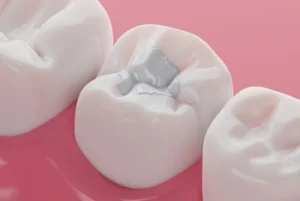 A tooth cavity forms when bacteria break down the tooth structure. When decay is not treated promptly, it may progress further into the tooth and lead to discomfort, infection, or the need for root canal treatment.
Cavity fillings are used to:
- Remove decayed tissue.
- Seal the tooth.
- Restore shape and function.
- Prevent further tooth decay.
In some cases, emergency dental treatment may be needed if a cavity causes severe pain or if broken teeth expose sensitive areas.
The Main Types Of Dental Fillings
There are several types of fillings used in modern dental care. The most common options include amalgam fillings, composite fillings, glass ionomer fillings, porcelain fillings, and gold fillings. Each filling material is selected based on the cavity’s size and its position within the mouth.
Amalgam Fillings
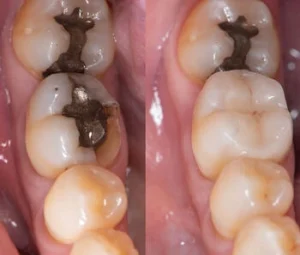
Amalgam fillings have been used for many decades. They consist of dental amalgam, an alloy made up of silver, tin, copper, and mercury. These are sometimes called silver fillings or silver amalgam fillings.
Key Features
- Strong and durable.
- Suitable for back teeth.
- Can withstand chewing pressure.
- Often used for larger fillings.
The silver coloured filling material is noticeable in the mouth, which is why it is usually placed in the back teeth rather than the front teeth.
Health Considerations
There has been public discussion about mercury exposure and mercury vapour from amalgam. According to information supported by organisations such as the Australian Dental Association, dental amalgam used in approved amounts is considered safe for most people. However, patients with specific health concerns may wish to discuss potential risks with their dentist.
Allergic reactions to amalgam are rare but possible.
Composite Fillings
Composite fillings are among the most commonly used dental filling materials in modern practice. They are made from composite resin, a tooth-coloured composite material designed to blend with natural tooth enamel.
Key Features
- Tooth coloured
- Bonds directly to the tooth structure
- Suitable for front teeth and visible areas
- Provides a natural appearance
Because composite material matches the colour of the natural tooth, it is often chosen for cosmetic reasons. It may also be used to restore small chips or areas of minor tooth damage.
In areas subjected to strong biting pressure, especially in larger cavities, composite fillings may not last as long as amalgam.
Glass Ionomer Fillings
Glass ionomer fillings are made from glass ionomer cement, which contains fine glass particles. One of their key benefits is releasing fluoride over time.
Benefits
- Releasing fluoride helps protect against further tooth decay.
- Often used in children.
- Suitable for small cavities.
- Can be placed near the gum line.
Because glass ionomer is not as strong as other materials, it is typically used for smaller fillings or temporary fillings.
Porcelain And Ceramic Fillings
Porcelain fillings, sometimes referred to as ceramic fillings, are custom-made in a dental laboratory. These are often used for larger cavities or when a strong and stain-resistant material is preferred.
Key Features
- Tooth coloured
- Durable
- Resistant to staining
- Natural appearance
Because they are custom-made, the filling process may require more than one appointment.
Gold Fillings
Gold fillings, also known as gold alloy restorations, have been used for many years. Although less common today, they remain a reliable option in certain cases.
Benefits
- Extremely durable
- Long lifespan
- Can handle hard foods and strong chewing forces
Gold fillings are usually used in back teeth. They are noticeable in colour, which some patients may not prefer. The cost can also be higher compared to other materials.
 Temporary Fillings
Temporary fillings serve as a provisional option until permanent treatment is completed. They may be placed:
- Between appointments
- During root canal treatment
- After emergency dental treatment
Temporary fillings protect the tooth until a permanent filling can be placed.
How The Filling Procedure Works
The filling procedure is generally straightforward and performed under local anaesthesia.
The dentist will:
- Numb the area.
- Remove decay from the tooth cavity.
- Clean the cavity.
- Place the chosen filling material.
- Shape and polish the filling.
The filling process restores the tooth’s function and helps maintain oral health.
Caring For Dental Fillings
Once a filling has been placed, ongoing care plays an important role in maintaining its strength and function. Although fillings are designed to restore a tooth, they still rely on the surrounding natural tooth structure for long-term support.
In the first few days after placement, it is normal to be aware of the restored tooth. Mild sensitivity to temperature or pressure can occur, particularly with deeper cavities. This usually settles as the tooth adjusts. However, if discomfort increases or persists, it is important to arrange a review.
Daily oral hygiene remains essential. Brushing twice a day with fluoride toothpaste helps protect both the filling and the surrounding enamel. Flossing or using interdental cleaning tools reduces plaque build-up around the edges of the restoration, where decay can sometimes begin again.
The margins, or edges, of a filling are especially important. Over time, normal chewing forces can cause slight wear. If plaque accumulates in these areas, bacteria may enter small gaps and lead to secondary decay. Regular dental check-ups allow early detection of these changes before they become more complex.
Biting habits also influence how well fillings perform. Patients who clench or grind their teeth place additional stress on restorations, particularly in back teeth. In some cases, protective measures such as a night guard may be discussed to reduce pressure during sleep.
Dietary habits can also affect the durability of dental fillings over time. Very hard foods, such as ice or unpopped popcorn kernels, may chip or crack larger fillings. Sticky foods can occasionally pull at restorations if they are already weakened. Being mindful of these factors supports long-term durability.
It is also important to monitor any changes in how the tooth feels. Signs that may require review include:
- Persistent sensitivity
- A rough or sharp edge
- Food catching between teeth
- A feeling that the bite is uneven
Early attention to these signs helps prevent more extensive treatment.
With consistent care, many fillings remain stable and functional for years. Regular assessment ensures that both the restoration and the surrounding tooth structure continue to support healthy chewing and overall oral health.
Factors That Influence The Choice Of Filling
When choosing between types of dental fillings, several factors are considered:
- Size of the cavity
- Location in the mouth
- Cost
- Aesthetic preference
- Biting pressure
- Oral health status
For example, larger fillings in back teeth may require stronger materials like amalgam or porcelain. Smaller cavity fillings in visible areas may benefit from composite resin.
How Fillings Affect Bite And Tooth Function
A dental filling does more than simply close a cavity. It also helps restore the way your teeth come together when you bite and chew.
Every tooth has a specific shape that allows it to contact the opposing tooth evenly. When decay removes part of that structure, the balance of pressure across the bite can change. A properly shaped filling helps recreate the natural contours of the tooth, so chewing remains comfortable and efficient.
After a filling is placed, the dentist checks how the teeth meet when you close your mouth. If a filling is slightly too high, it can create excess pressure on that tooth. This may lead to sensitivity, discomfort when chewing, or strain on surrounding teeth.
In some cases, patients may notice:
- A feeling that the bite is uneven
- Tenderness when biting down
- Mild jaw fatigue
- Sensitivity when chewing firm foods
These symptoms are often resolved by making small adjustments to the filling surface. Ensuring correct bite alignment helps prevent long-term stress on both the restored tooth and the jaw.
When A Filling May Not Be Enough
While dental fillings are effective for repairing small to moderate areas of decay, they are not always the most suitable option. In some cases, the amount of tooth structure lost is too great for a simple filling to provide long-term stability.
A filling works by restoring the area where decay has been removed. However, if a large portion of the tooth has already been weakened, placing a standard filling may leave the remaining structure vulnerable to fracture. This is particularly relevant for back teeth, which absorb significant chewing forces each day.
There are several situations where a filling alone may not be sufficient:
- The cavity is very large
- A previous filling has failed multiple times
- The tooth has cracked or fractured
- There is limited healthy enamel remaining
- The chewing surface has been significantly weakened
In these cases, a more supportive restoration may be recommended. Options can include inlays, onlays, or crowns. These restorations are designed to distribute biting pressure more evenly across the tooth, reducing the risk of further damage.
An inlay fits within the grooves of the tooth and is often used when the centre portion is affected, but the outer edges remain strong. An onlay extends over one or more cusps and provides additional reinforcement. A dental crown covers the entire visible portion of the tooth, offering the highest level of structural protection.
Another factor to consider is repeated repair. If a tooth has had several fillings replaced over time, each new procedure may remove additional tooth structure. Eventually, there may not be enough healthy tissue left to support another filling safely.
For this reason, careful assessment becomes increasingly important as restorations are replaced. The goal of treatment is always to preserve as much natural tooth structure as possible while ensuring durability. A filling is often the right choice, but when structural integrity is compromised, alternative restorations may provide more predictable support.
Discussing these options with your dentist allows for a personalised treatment plan based on the condition of the tooth and your long-term oral health needs.
Choosing What Suits You
 There is no single “best” dental filling material. The choice depends on clinical needs and patient preference.
Some patients prioritise a tooth-coloured result. Others may prefer a durable material for back teeth.
The decision may also be influenced by how visible the tooth is when smiling or speaking. In areas that are easily seen, blending with the surrounding enamel can be important for confidence. In contrast, teeth that carry heavy chewing forces may require a material that provides greater resistance to wear.
Personal factors such as long-term maintenance, lifestyle habits, and previous dental history can also guide the discussion. Reviewing the available filling options and their advantages supports informed decision-making.
Final Thoughts
Learning about the various types of dental fillings helps you understand which material may suit your needs and preferences. The right option depends on the size of the cavity, the location of the tooth, and your long-term oral health goals.
If you’re concerned about tooth decay or unsure which filling material is appropriate for your situation, you can book a consultation with us at Cross Road Dental or call (08) 8004 5137. A personalised discussion allows you to explore suitable options and make a decision that supports both function and appearance.
Resources
Cleveland Clinic (2023). ‘Dental Crowns’. Cleveland Clinic, 14 April. Cleveland, OH: Cleveland Clinic. https://my.clevelandclinic.org/health/treatments/10923-dental-crowns
Colgate (2023). ‘What Is Good Oral Hygiene?’. Colgate, 9 January. New York, NY: Colgate-Palmolive Company. https://www.colgate.com/en-us/oral-health/adult-oral-care/what-is-good-oral-hygiene
Mayo Clinic Staff (2023). ‘Cavities and Tooth Decay’. Mayo Clinic, 30 November. Rochester, MN: Mayo Clinic. https://www.mayoclinic.org/diseases-conditions/cavities/symptoms-causes/syc-20352892
Stang, D. (2018). ‘Root Canal’. Healthline, 25 May. San Francisco, CA: Healthline Media. https://www.healthline.com/health/root-canal