

Being aware of the financial side of wisdom tooth removal allows you to prepare confidently and avoid unexpected surprises. Whether you’re experiencing discomfort or considering having these teeth removed, it’s important to feel informed about the entire process. This includes not just the procedure itself but also the financial side of things. Every individual case is different, and the final wisdom teeth removal cost can vary depending on several unique factors. With the right guidance, you can make clear, confident decisions about your dental care. Let’s explore everything that can influence what you pay and what to expect before, during, and after wisdom teeth removal.
Why Do Wisdom Teeth Often Need Removal?
Wisdom teeth do not always behave the way we want them to. Their arrival can bring along several issues, often requiring removal. Let’s look at the reasons dentists recommend having them taken out.
When There’s Not Enough Room
 In many cases, the jaw simply doesn’t have enough space to accommodate wisdom teeth. This lack of room forces the teeth to push against nearby teeth, leading to crowding. As a result, the alignment of the other teeth may begin to shift, which can undo the progress of orthodontic treatment. It also creates tight areas that are difficult to clean, elevating the risk of plaque buildup. When overcrowding is detected, removing wisdom teeth becomes necessary to preserve the structure and comfort of your bite.
If the Teeth Grow Sideways
Some wisdom teeth do not grow upwards like others. Instead, they may develop at an angle or even lie flat beneath the gum surface. These are called impacted wisdom teeth and often require removal due to the pressure they place on nearby structures. This abnormal angle can damage the roots of adjacent teeth or cause cysts. In these cases, early detection through X-rays is essential. Removal is typically recommended before these teeth have a chance to affect your oral health.
When There’s Pain or Infection
Pain in the back of the mouth can be a sign of an infected wisdom tooth. Since wisdom teeth are positioned far back, it’s harder to reach them during regular cleaning. This often leads to trapped food particles, which in turn causes gum infection. If left untreated, it may lead to swelling, bad breath, or even fever. In such situations, dentists usually recommend removing wisdom teeth to alleviate pain and stop the spread of infection.
Difficulty Chewing or Swelling in the Gums
Wisdom teeth may cause swelling in the gums, which affects how the upper and lower teeth meet. You may feel discomfort when biting or chewing, especially if the swelling continues. It might even lead to cuts on the cheeks or ulcers. Chewing properly becomes difficult when swollen soft tissue presses against the teeth. Removing the wisdom tooth often provides relief and allows you to eat without irritation.
Prevention of Future Oral Health Problems
In some cases, wisdom teeth may not cause any current discomfort, but their position could make them vulnerable to future issues. Dentists may recommend removing wisdom teeth early to avoid complications such as tooth decay, cyst formation, or gum disease. Early removal often means a smoother recovery. It also reduces the chance of more major dental procedures later on.
What Does Wisdom Teeth Removal Cost?
In Australia, basic wisdom tooth removal usually begins at around $225 per tooth. If the tooth is impacted or requires surgical extraction, the starting price may rise to $350 or more. Your dentist can provide a tailored quote based on the position and condition of your teeth.
What Factors Affect Wisdom Teeth Removal Costs?
Several unique aspects of your situation can change how much you’ll need to pay for this procedure. Understanding these elements helps you prepare more confidently.
The Number of Teeth Being Removed
One major factor that influences the cost is the number of teeth being taken out. Removing a single wisdom tooth will generally cost less than removing all four teeth. If you need all four wisdom teeth removed during one appointment, it may be more cost-effective overall than scheduling separate visits. Dentists often suggest removing all four wisdom teeth at once to reduce the number of anaesthesia applications and avoid multiple recovery periods. The choice between removing one or multiple teeth will impact your final bill significantly.
Some dental practices offer package pricing for removing multiple teeth during a single session. Discussing your goals during the consultation can help determine the most efficient approach.
The Type of Anaesthesia Used
The type of anaesthesia required during your procedure also plays a role in your cost. Some patients need only local anaesthesia, which numbs the area around the tooth. Others may need general anaesthetic, particularly if they are removing all wisdom teeth or have anxiety around dental treatments. General anaesthesia requires a higher level of care, which can increase the overall cost. Your dentist will discuss the most appropriate option for your needs.
Sedation preferences are often influenced by individual comfort levels and health history. A full discussion of risks and options is usually part of the planning process.
The Experience of the Dental Team
Fees can also vary based on the qualifications and experience of the dental team providing the service. A general dentist may offer wisdom tooth extraction at a lower price compared to procedures that require advanced techniques or additional resources. Some practices also have advanced imaging and surgical tools on-site, which can affect the pricing. While it’s important to consider the wisdom tooth removal cost, many patients also look at the quality of care when making a decision. The ability to manage unexpected issues during treatment can also depend on the dentist’s experience. Some clinics may include follow-up appointments in their quoted price, providing extra value.
Where the Procedure Is Done
Geographic location also affects the wisdom teeth removal prices. Public dental services may offer more affordable treatment, but there can be long wait times. Private dental practices typically have shorter waiting periods and flexible scheduling, but may have higher fees. Costs can also differ between urban areas and regional locations. Comparing dental services in your area can help you estimate your out-of-pocket expenses. Some areas may also have limited access to certain types of dental procedures, influencing pricing through demand. If travel is needed for treatment, this may also add to the total expense.
The Role of Private Health Insurance
Your private health insurance may influence the cost of wisdom teeth removal depending on your level of cover. Some health funds offer partial or full rebates for wisdom tooth extraction costs, particularly if the procedure is classified under major dental or surgical extras. It’s important to check the details of your health insurance policy before booking, as waiting periods and annual limits may apply. Being aware of what is and isn’t included can prevent unexpected expenses. If you’re unsure, your dental clinic may be able to assist with item numbers to help clarify what’s claimable. This step can make a noticeable difference in your total out-of-pocket cost.
What Steps Are Involved in the Wisdom Tooth Removal Procedure?
Learning the treatment steps ahead of time can bring peace of mind and help you approach the procedure with more confidence. Each stage plays a part in making the procedure safe and effective.
The Initial Consultation
The first step in any wisdom tooth removal surgery is an in-depth consultation with your general dentist. They will perform a full assessment of your mouth and take digital scans or X-rays to examine the wisdom teeth. This helps determine whether the teeth are impacted and how close they are to nerves or other structures. You’ll also discuss your health history, current medications, and any concerns you may have. Based on this, the dentist will plan the next steps and explain your options.
Preparation for the Procedure
Once the decision is made to go ahead with removal, your dentist will provide detailed instructions to prepare. This could include fasting before general anaesthesia or avoiding certain medications. You may be asked to arrange transportation home if you’re receiving sedation. Your dentist will also go over the type of anaesthesia that will be used. Preparation ensures both safety and comfort throughout the procedure.
The Anaesthesia and Setup
On the day of your wisdom teeth extraction, the chosen type of anaesthesia will be administered. Local anaesthetic is usually applied via injection near the gum tissue around the tooth. For general anaesthesia, you’ll be fully asleep throughout the procedure. The team will then set up the instruments and ensure the area is clean and sterile. Monitoring equipment may also be used during the procedure for added safety.
Tooth Removal or Surgical Extraction
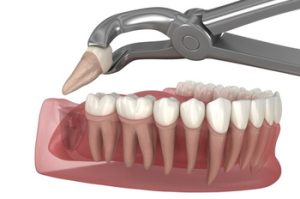
If the wisdom tooth is easily accessible, the dentist will gently loosen and remove it. In more complex cases, such as an impacted wisdom tooth, a surgical extraction may be needed. This involves making an incision in the gum and possibly dividing the tooth into smaller sections for easier removal. The site is then carefully cleaned to prevent infection. Once the tooth is removed, the dentist may place stitches if needed.
Post-Removal Instructions and Recovery
After the procedure, you’ll be monitored until the anaesthesia wears off. Your dentist will explain how to care for the site at home, including what to eat, how to clean your mouth, and signs to watch out for. Pain management options, such as over-the-counter medication, may be recommended. Recovery timelines differ depending on the complexity of the extraction and how many teeth were removed. Following these instructions closely supports faster healing.
What Should You Know About Aftercare?
Proper aftercare is vital for comfort and healing. It also helps avoid complications such as excessive bleeding or gum infection.
Managing Swelling and Discomfort
 Swelling is a common part of recovery after wisdom tooth extractions. Applying a cold pack to the cheek for 20 minutes at a time can help reduce this. Keeping your head elevated while resting also helps minimise inflammation. Mild discomfort is expected, but it usually eases within a few days. If the discomfort worsens, contact your dentist immediately. Over-the-counter medication is often enough to alleviate pain.
Avoid pressing or touching the area unnecessarily, as this can irritate the healing tissue. Drinking plenty of water can also help the body flush out inflammation more efficiently.
Watching What You Eat
Soft foods are recommended during the first few days of recovery. Soups, mashed vegetables, and smoothies are good choices. Eating softer meals at a moderate temperature helps prevent discomfort. Foods that are sharp, crunchy, or chewy could affect the clot or irritate the gum.
Drinking through a straw should also be avoided, as the suction can dislodge the clot. Gentle chewing on the opposite side of the mouth is encouraged. Stick to room-temperature meals that do not require much effort to swallow. Reintroduce solids slowly as you begin to feel more comfortable with eating.
Keeping the Area Clean
Oral hygiene is very important after wisdom tooth removal. You’ll need to skip brushing the exact site for the first day. After that, a mild saltwater rinse can support healing while keeping the area free of debris.
Continue brushing the other areas of your mouth as normal. Avoid using mouthwash containing alcohol during this time. Clean habits help prevent infection and support healing.
Consider using a soft-bristled toothbrush to avoid irritation around the surgical area. Always rinse your mouth carefully after meals to remove trapped food debris.
Resting Properly
Rest is key to a smooth recovery. Avoid heavy physical activity or exercise for the first few days. Give your body time to focus on healing, especially after a surgical extraction. Even talking or laughing too much can strain the area and lead to discomfort. Get plenty of sleep and keep your environment calm. Resting helps your immune system recover faster. Try to avoid bending forward or lifting heavy objects, as this may increase pressure near the surgical site. Staying hydrated and maintaining a balanced diet also supports a quicker return to full health.
Monitoring for Complications
Keep an eye out for signs of issues like excessive bleeding, pus, or persistent bad breath, which could suggest infection. If you experience severe pain that doesn’t go away after a few days, it could be a dry socket. Swelling that worsens rather than improves may also need a check-up. In any of these situations, contact your dentist immediately. Acting quickly can prevent more serious problems and ensure better outcomes. Unusual sensations like numbness or tingling should also be reported. Keeping a log of your symptoms may help your dentist evaluate your recovery more accurately.
Knowing When to Resume Normal Activities
 Most people can return to their regular routine within a few days after tooth extractions. However, it’s important to ease back into things rather than rushing. Eating normally, returning to work, or exercising should only be done when you feel up to it. Your dentist may recommend a follow-up appointment to check the healing progress. Getting approval before resuming full activities helps protect the results of your wisdom teeth removals.
Wait until any prescribed medication no longer causes drowsiness before driving. If your job involves physical labour, consider asking for modified duties temporarily.
Speak With Our Team About Your Wisdom Tooth Concerns
Understanding the full picture of wisdom tooth removal, including the recovery process and what affects pricing, helps make your decisions clearer. From the need for removing wisdom teeth to the importance of good aftercare, every step plays a role in your overall dental health. As wisdom teeth grow, they can sometimes lead to complications that require dental extractions. The treatment process involved in removing these teeth is a common dental procedure, and being prepared helps manage both expectations and outcomes.
The wisdom teeth removal cost can vary, but understanding these factors supports better planning. If you’re experiencing discomfort or have been advised to get your wisdom teeth extracted, our team is here to help. Call us today at (08) 8004 5137 to speak with our friendly staff and book a consultation that suits your schedule.
Note: Any surgical or invasive procedure carries risks. Before proceeding, you should seek a second opinion from an appropriately qualified health practitioner.
References
https://www.healthdirect.gov.au/surgery/removing-wisdom-teeth
https://www.medicalnewstoday.com/articles/how-to-prep-for-wisdom-teeth-removal